

Da Nang’s efforts to build destination brand through distinctive culinary identity
DNO - Cuisine is described by many tourists as Da Nang’s "living treasure" thanks to the diversity of ingredients from fresh seafood to humble, rustic specialties. However, to turn dishes into true tourism highlights, the city needs to enhance quality, standardize visitor experience, and build a sustainable culinary ecosystem.
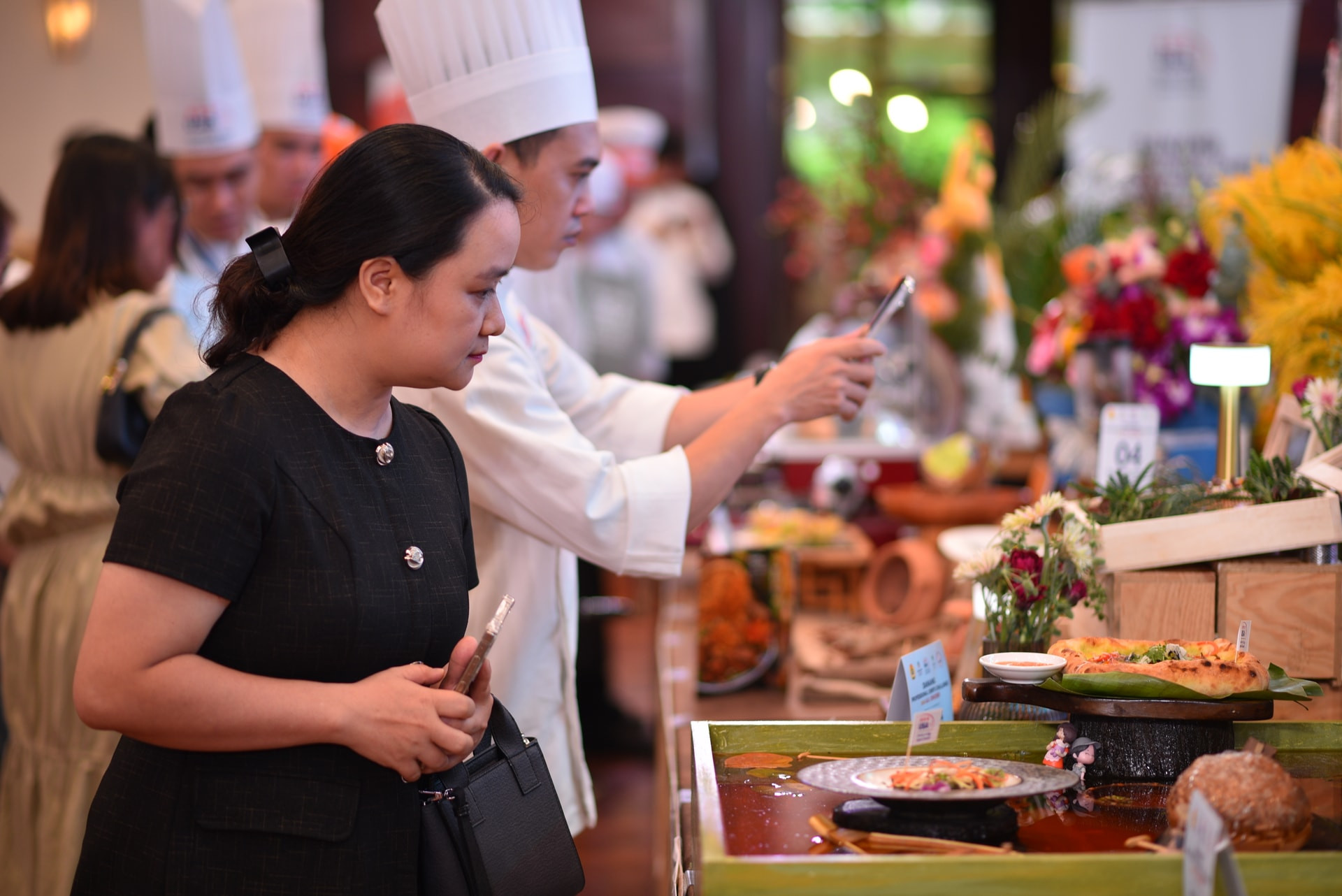
Core values and culinary identity
According to tourism and hospitality experts, Da Nang’s cuisine is not only food but also the spirit and story of the central region.
Mr. Le Dinh Nam, Acting Chairman of the Da Nang Destination and Events Association, believes that Da Nang cuisine has its own unique character with a unique combination of diverse ingredients from the sea, mountains and plains. Therefore, local dishes are not only delicious but also tell stories about the culture, the land, the people and traditional crafts of the region.
“The greatest strength is the rustic, home-cooked such as Quang noodles, ‘bun mam’ (Fermented fish noodle soup) and ‘bun cha ca’ (fried fish cake noodle soup). These dishes are simple but profound, capable of recalling and leaving an impression on tourists from all over the world” Mr. Nam noted.
Sharing the same opinion, chef Dang Xuan Toan from the Pullman Danang Beach Resort, emphasizes that cuisine of Da Nang in particular, and the Central region in general, has robust flavors balancing sweetness, saltiness, sourness, and spiciness. Each dish reflects the local character: sincere, warm, straightforward, and emotionally rich.
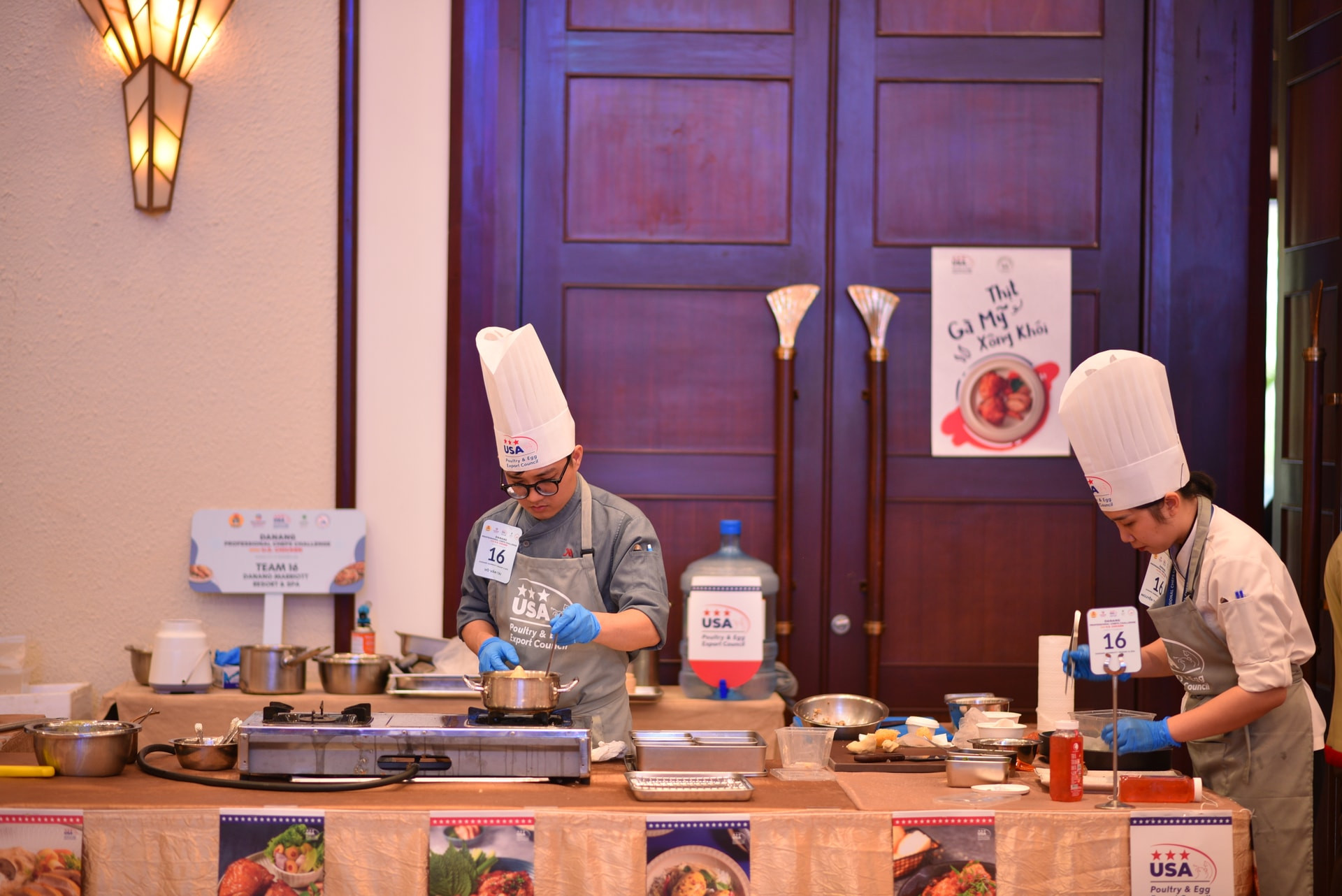
Building a sustainable culinary ecosystem
According to Mr. Le Dinh Nam, preserving the identity and promoting the core values of Da Nang’s cuisine will contribute to attracting tourists. Dishes served to tourists must both retain the traditional spirit whilst combining modern trends, and prioritizing clean ingredients, organic produce, and farm-to-table products.
He also stresses the need for the city to promote culinary culture by regularly organizing chef competitions and food festivals, thereby creating opportunities for chefs, restaurants, and hotels to exchange knowledge and sharpen their skills.
Mr. Ly Dinh Quan, Chairman of the Da Nang Culinary Culture Association, highlights that in order to attract tourists, the first and most important thing is to identify the culinary Brand DNA of Da Nang and central Vietnam: rich - sophisticated - authentic rooted in both the sea and the village.
Mr. Quan adds that each dish should have a clear story, standardized preparation, and consistent experience. Visitors today care not only about taste but also about the clean and beautiful space, friendly service, transparent and multilingual menu, and staff capable of sharing the stories behind the dishes.
He also underlines the necessity for the city to build networks of chefs, craft villages, startups, F&B businesses, and associations to create momentum for the entire industry.
The city also should lay an emphasize on digitalizing the city’s culinary map, promoting multilingual communication, and developing takeaway products like spice sets, herbal teas, and dried goods, in order to help central Vietnamese cuisine extend its reach far beyond the region, he added.