

Vietnam takes steps to make English second language in schools
DNO - The Vietnamese government has recently endorsing the project “Making English a second language in schools for the 2025 - 2035 period, with a vision toward 2045”.
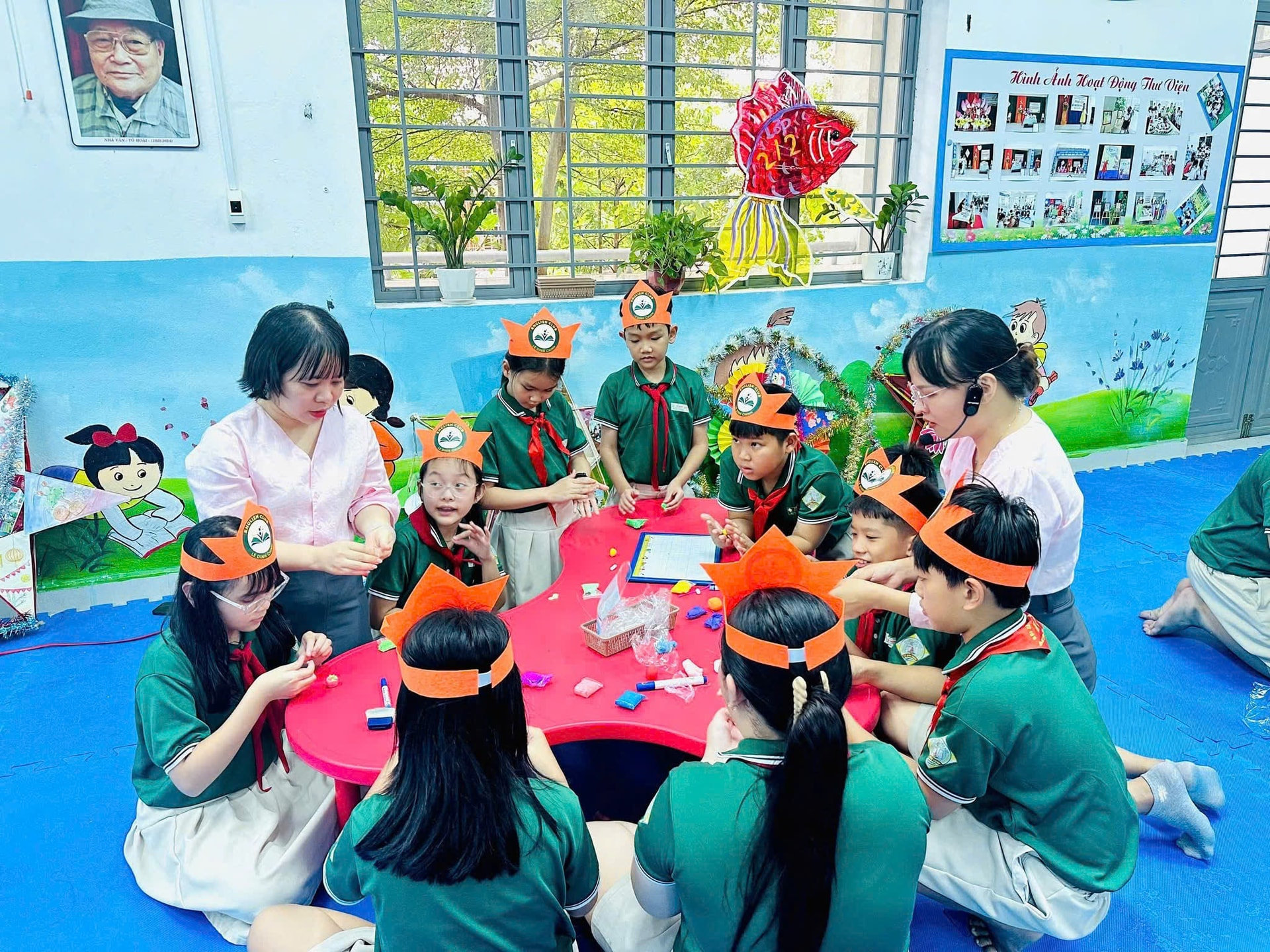
The initiative aims to enhance English proficiency among children, students and young people, contributing to high-quality human resource development and supporting Vietnam’s deeper integration into the global economy.
Achieving this goal requires a coordinated approach, focusing on strengthening teachers, creating bilingual learning environments and expanding extracurricular English activities.
Creating a bilingual environment is a key strategy. In October, the Le Dinh Chinh Primary School in Da Nang launched the “I am a global citizen” programne, where students present short English speeches of 3 - 5 minutes.
The initiative encourages students to develop communication skills, gain confidence, and improve fluency. The school also enriched its library with bilingual books and established a monthly English club.
International student interns are invited to help organize activities, allowing students to interact directly with native speakers.
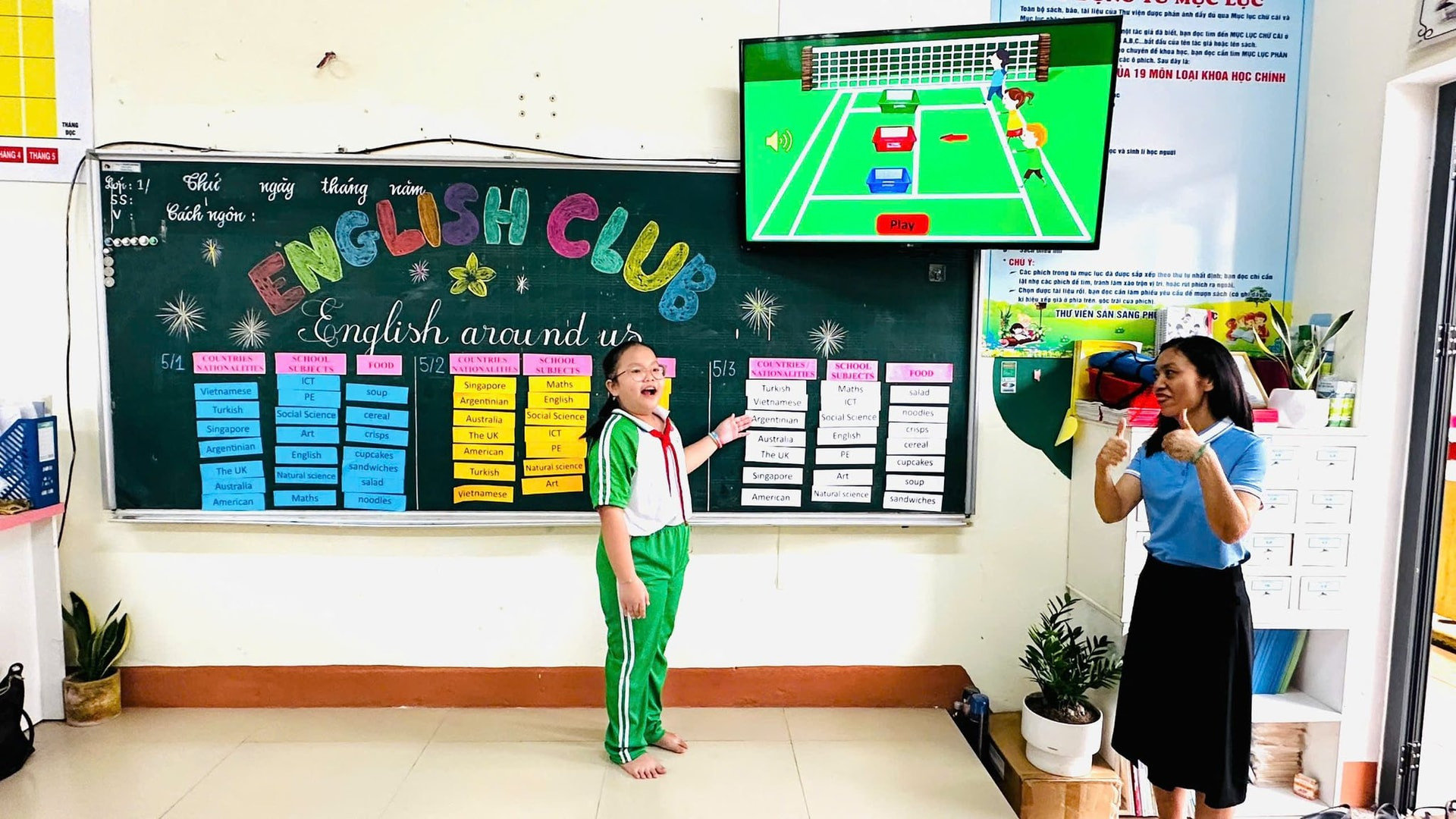
Other schools are following suit. The Hung Vuong Primary School offers a monthly English club, “English around us,” combining storytelling, presentations, and relay games to boost teamwork and language skills.
The Pham Nhu Xuong Primary School introduced the club “Learn - Play - Shine,” focusing on listening, speaking, reading and writing in an engaging, student-centered environment. Students report increased confidence, stronger communication skills, and greater enthusiasm for English.
Teacher quality is another priority. The Nguyen Hue Secondary School is piloting experiential and career-oriented activities in English and plans to expand these programmes across multiple grades.
Teachers of other subjects are encouraged to attain English proficiency to integrate the language into lessons. Subjects like Math, Science and Literature introduce key terms in English.
The school creates dedicated English spaces, runs English clubs and assesses proficiency to boost students’ confidence, communication, and presentation skills.
This pilot represents a strategic step toward making English a second language in schools.
According to Dr. Huynh Ngoc Mai Kha, the Vice Rector of the University of Foreign Language Studies under the University of Da Nang, enhancing teacher capacity is critical.
Universities can support short-term and long-term training programmes, creating a broad network of qualified educators.
Vietnam’s strategy to make English a second language combines curriculum innovation, teacher development, and engaging extracurricular activities, laying the foundation for a generation of students confident in global communication and prepared for international opportunities.