

Encouraging high-tech agricultural development
DNO - Developing high-tech agriculture is a key solution to improving productivity, quality, and efficiency. Da Nang is promoting digital transformation and climate-resilient practices to ensure sustainable agricultural growth.
Enhancing productivity
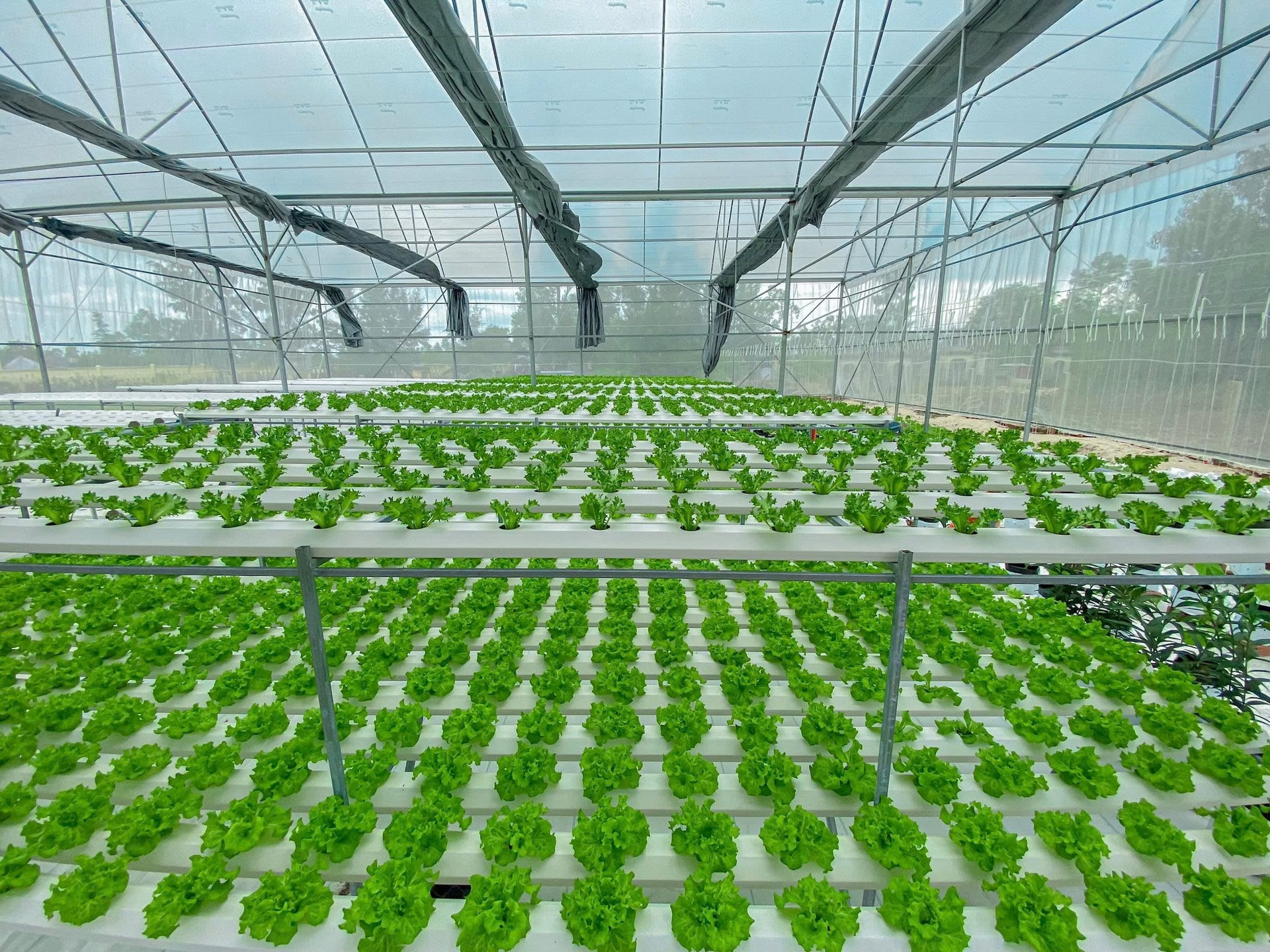
The 43 Farm High-Tech Agricultural Cooperative in Thang An commune cultivates crops on 3,500m2, which includes 600m2 of hydroponic vegetables. Advanced technologies monitor humidity, temperature, light, pH, and nutrients, enabling automated irrigation and lighting schedules that enhance yields.
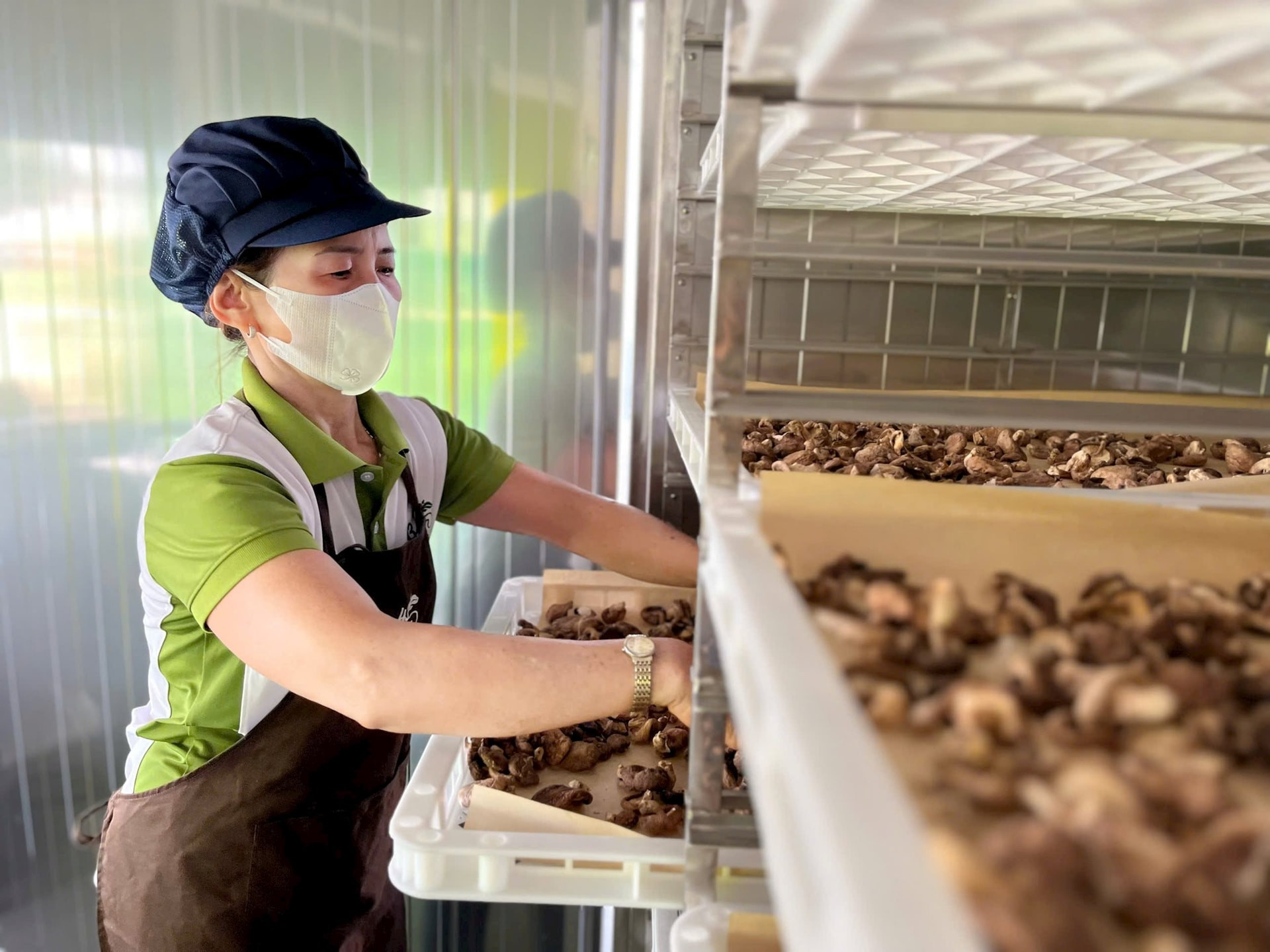
According to Diep Thi Thao Trang, Director of the Cooperative, the farm applies freeze-drying and granite-stone grinding technologies to preserve over 90% of nutrients in vegetables and roots, all under VietGAP and GlobalGAP standards.
The model has revitalised idle land, boosted income, and demonstrated the efficiency of automated, data-driven farming.
Similarly, the Tuy Loan Safe Vegetable Cooperative in Hoa Vang district operates a one-hectare hydroponic farm equipped with greenhouses, drip irrigation, and environmental sensors. It produces more than 300 tonnes of clean vegetables annually for supermarkets, schools, and hospitals.
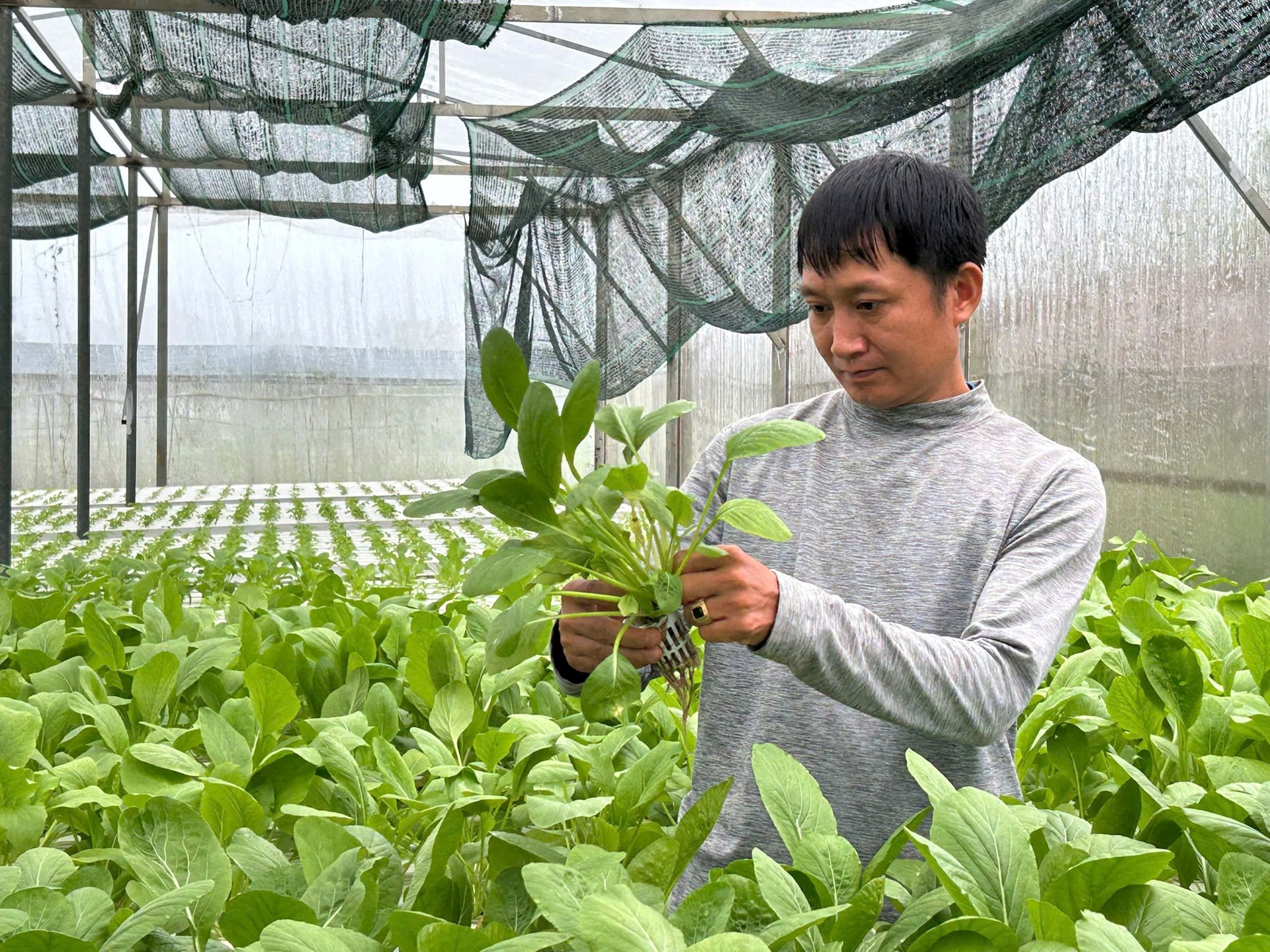
According to Director Phan Thanh Quang, the use of high-tech hydroponics helps reduce labour, control quality, and increase productivity.
Heading towards digital agriculture
High-tech and smart agriculture are now strategic priorities for Da Nang city, aligning with the government's strategic direction and plan for modernising agriculture and rural areas.
With 85.8% of the city’s land classified as agricultural, Da Nang has the potential to build a green, circular, and efficient agricultural economy.
According to the city’s Department of Agriculture and Environment, several high-tech projects have already been launched, applying automation, IoT sensors, and digital management software. These innovations have reduced costs, improved quality, and minimised environmental impacts.
Moving forward, Da Nang aims to develop smart, ecological, and digital agriculture, integrating IoT, AI, and blockchain technologies for production management, environmental monitoring, and product traceability.
The city also encourages the creation of "digital agriculture" models linking farmers, enterprises, and research institutes to form a complete, sustainable value chain.
In addition, the city is investing in high-quality, organic rice cultivation and synchronising technical infrastructure.