

Spreading value of national treasures
DNO - With 19 national treasures being preserved and displayed at public and private museums, Da Nang has been one of the few localities in Vietnam which possess many recognized national artifacts. This reflects the city’s rich history and unique culture.
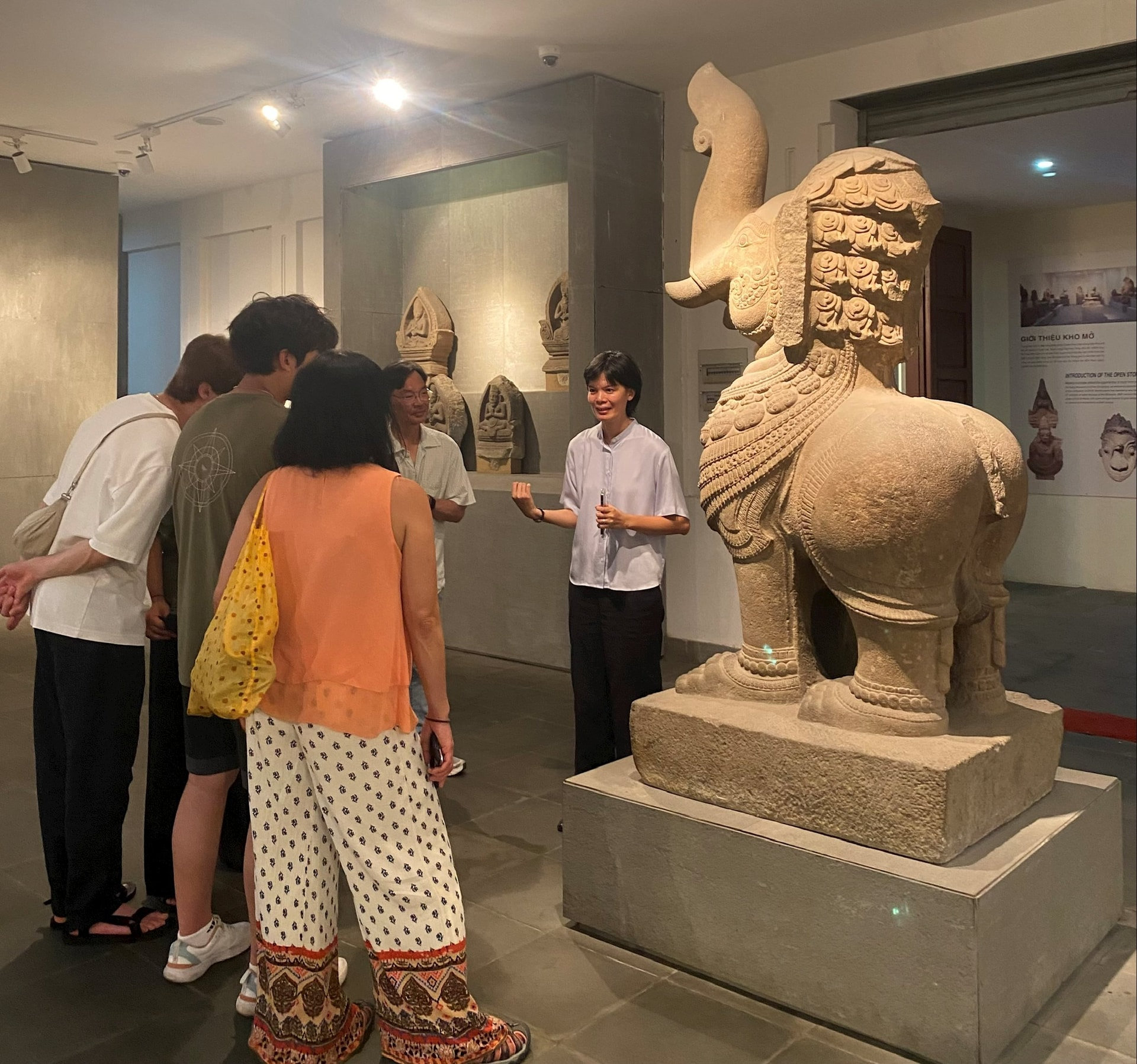
Currently, Da Nang’s 19 national treasures are being preserved and exhibited at four locations: the Museum of Cham Sculpture with 12 artifacts, the Quang Nam Museum with 3 artifacts, the My Son Sanctuary with 2 artifacts, and 2 privately owned treasures belonging to Mr. Luong Hoang Long in Hoi An Ward’s Xuan Hoa quarter.
Many of these treasures, especially those belonging to the Sa Huynh culture, are crafted from gold alloy and agate, which are very rare.
In recent times, local authorities and museums have prioritized bringing these national treasures closer to the public.
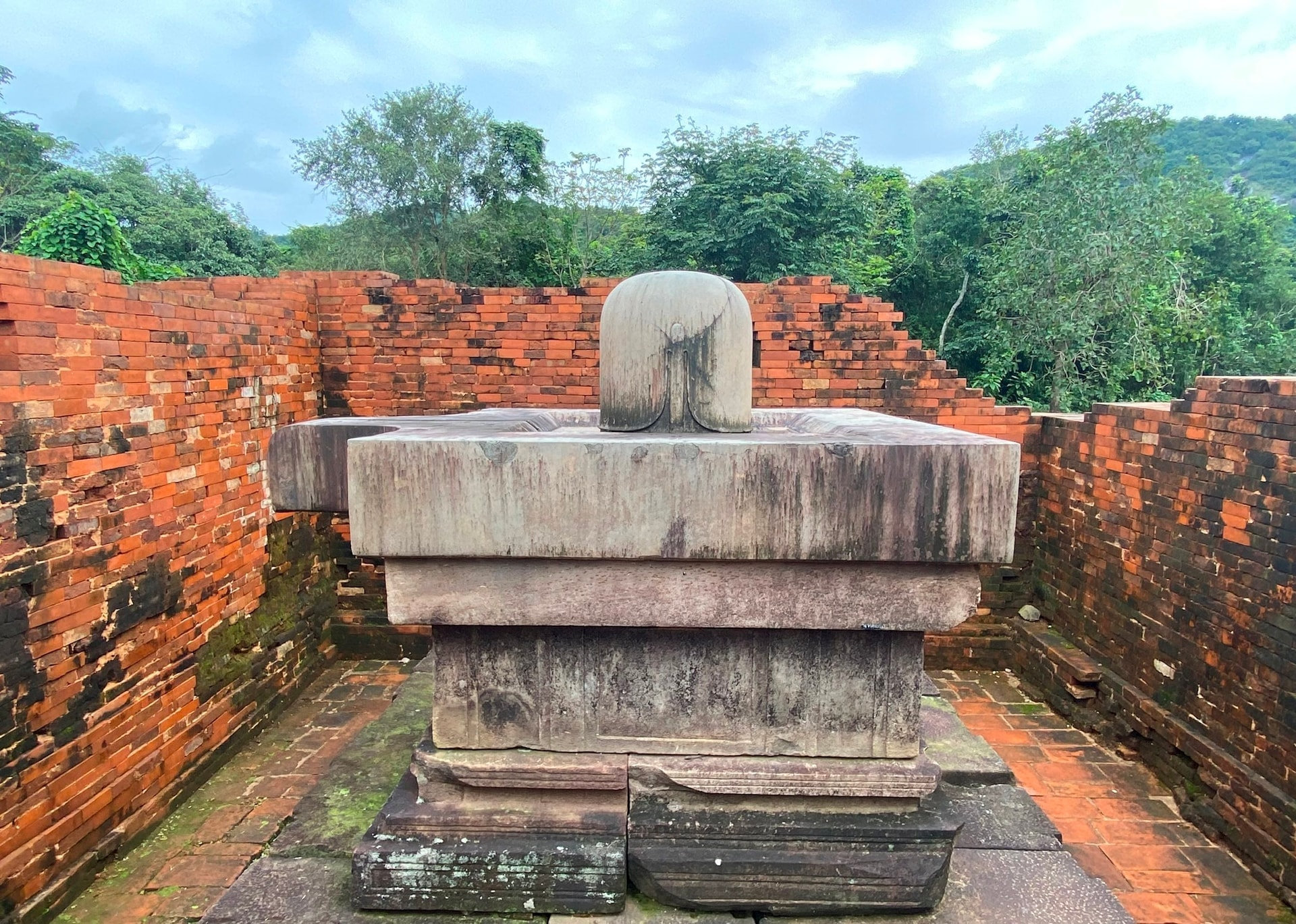
At the My Son Sanctuary, the My Son A10 pedestal has been relocated and reinstalled at its original discovery site (A10 tower), allowing visitors to better visualize the artifact within the architectural and historical context of the temple complex.
For the Ekamukhalinga treasure, in addition to using technology and QR codes, the My Son World Cultural Heritage Management Board is also researching the use of digital screens to make interpretation more engaging and accessible for visitors.
According to Ms. Le Thi Thu Trang, Director of the Da Nang Museum of Cham Sculpture, the application of modern technologies, such as multilingual audio guides in Vietnamese, English and French languages, along with VR360 virtual museum tours, has helped visitors conveniently access and better understand the meaning and value of each national treasure.
The national treasures not only illustrate the outstanding value of cultural heritages in a historical period but also clearly reflect the customs and rituals of ancient communities. Thus, the protection of these artifacts is extremely important.
The preservation and promotion of national treasures are among the core and regular tasks of the cultural units across the city. Currently, museums are digitizing collections and developing comprehensive databases to support conservation, restoration, and research.
In particular, strict preservation procedures are in place, including periodic, preventive and therapeutic preservation, plus continuous condition monitoring and documentation.
Any issues that could potentially affect the treasures are promptly addressed to ensure their enduring protection and transmission to future generations.