

Ethnic identity in Vietnam’s modern retreat spaces
DNO - Vietnam’s folk artistry finds new life in modern retreat spaces blending tradition with luxury and creating spaces alive with cultural spirit.
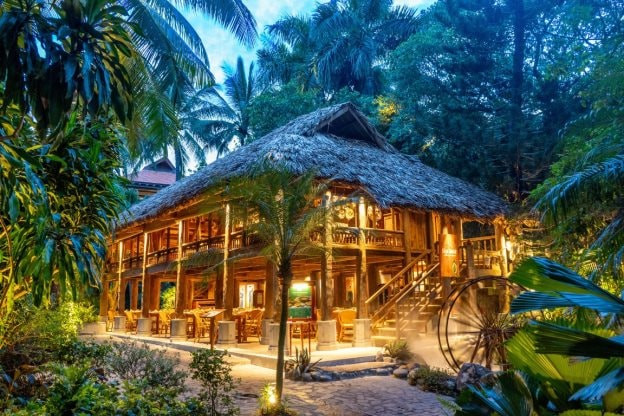
From brocade motifs and wooden carvings to the rustic patterns of highland life, the aesthetics of Vietnam’s folk heritage are gaining a renewed presence in contemporary architecture.
In the Lagoon Garden of Furama Resort Da Nang, Tàya House stands as a cultural landmark.
Initiated by Nguyen Duc Quynh, General Director of Bac My An Tourism JSC, the project reconstructs an authentic Muong stilt house from the stone highlands of Muong Khu (Hoa Binh Province), piece by piece, beam by beam, using original “trai” and “sen” wood.
Inside, traditional objects such as wedding trunks and lanterns, along with paintings depicting ethnic groups of northern Vietnam, bring to life the spirit of the mountains in a coastal city.
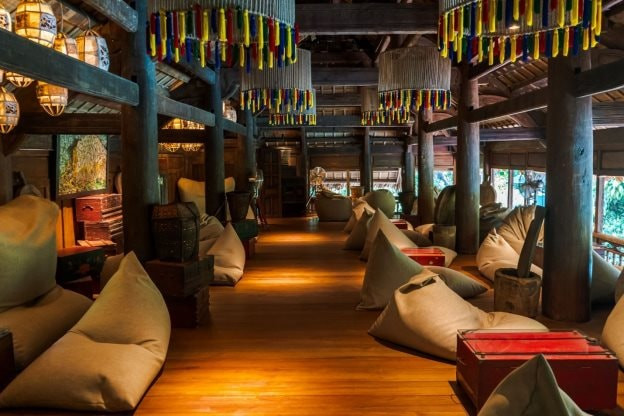
Especially through the gifted hands of painter Hoang Tuyen, who is well known for his works celebrating Vietnamese ethnic communities, the traditional costumes of the ethnic minority peoples are vividly brought to life on the canvases displayed inside the house.
From the characters’ eyes and the surrounding landscapes to the interplay of colors, every detail creates an emotional dialogue between the exhibition and its viewers, a gentle bridge connecting art, memory, and identity.
While Tàya House preserves the integrity of a cultural archetype, Zannier Hotels Bai San Ho in Dak Lak Province reinterprets ethnic patterns through the language of modern design.
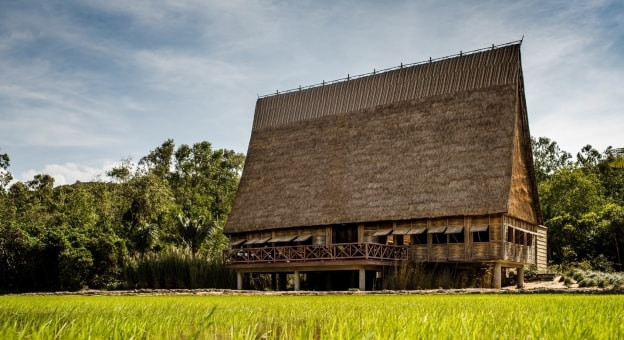
Inspired by the longhouses of the Ede people and the communal “nha rong” (a large stilt-house used for communal purposes) of the Ba Na, its villas and restaurants merge contemporary comfort with the rhythm of local life.
Handmade crafts and indigenous motifs are not decorative flourishes but living symbols of cultural continuity.
For international travellers, such projects offer an intimate encounter with the Vietnamese spirit. For local communities, they affirm the value of their heritage.
Yet, experts warn that careless adaptation risks turning cultural motifs into mere aesthetic clichés. True cultural architecture requires research, respect, and collaboration with artisans and local custodians of tradition.
Handled with authenticity and care, folk patterns rise above mere ornamentation. They become living cultural legacies - bridges between memory and modernity, and enduring symbols of Vietnam’s growing identity on the world’s hospitality map.