

Second phase of Da Nang’s Lien Chieu Port project launched
DNO - The Da Nang People's Committee has just approved the investment policy for the comprehensive construction of the Lien Chieu Container Port with a total estimated capital of over VND 45 trillion (more than US$ 1.75 billion).
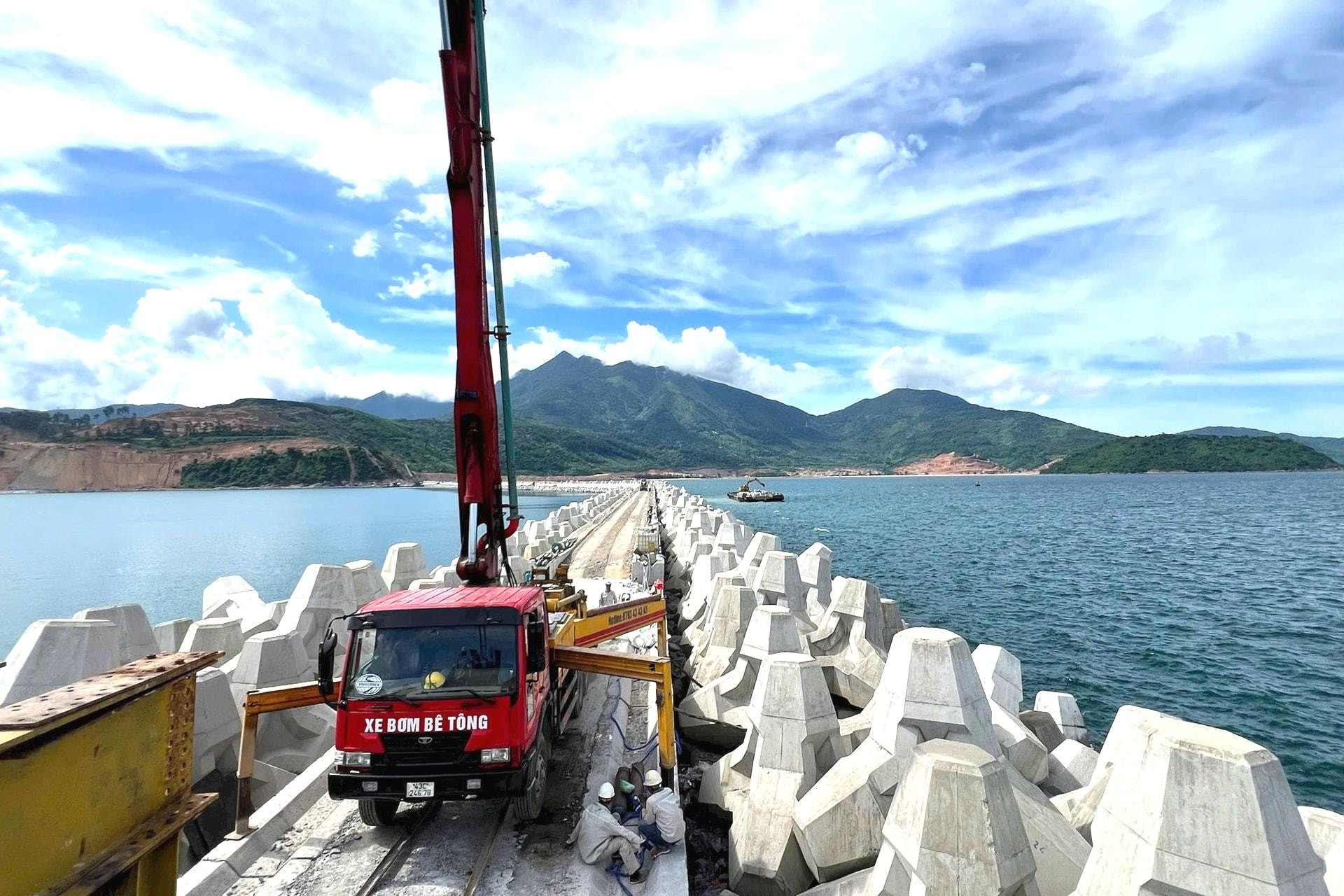
Covering an area of about 172 hectares, including 146 hectares of land and nearly 26 hectares of water, the project is designed to have an overall capacity of handling 5.7 million TEUs per year, equivalent to about 74 million tons/year. By 2030, the expected capacity will reach 14.25 - 36.3 million tons/year.
Under the project, eight container berths with a total length of 2,750m will be built, and they are designed to receive container ships of up to 18,000 TEUs.
In addition, barge terminals will be constructed to receive ships and barges of up to 5,000 tons to serve the consolidation/division of goods for container berths.
Supporting infrastructure will include barge berths, container yards, warehouses, and a dedicated rail freight terminal linking the port directly with the national railway network.
The project will operate under a 50-year investment term from the date land and sea areas are allocated.
The construction of the project is scheduled to begin in the fourth quarter of 2025 and be completed in the first quarter of 2036, and it will be divided into three stages.
In particular, the first stage, expected to be finished by the end of 2028, will see at least two berths and essential facilities put into operation.
The second stage, which will start from the first quarter of 2029 to the fourth quarter of 2032, will feature the construction of berths Nos. 3 and 4 and the synchronous auxiliary rear system, as well as the dredging of the water area in front of the port. It is slated to be completed and put into operation from the first quarter of 2033.
The third stage, scheduled to be completed in the first quarter of 2036, will invest in the construction of the remaining berths, barge wharf area and synchronous auxiliary infrastructure system.
Designed to international standards, the port is envisioned as a modern, green container hub with the potential to become a major transshipment gateway in Southeast Asia by the early 2030s.