

Books about Son Tra Reserve reprinted for donation to school libraries
DNO - The Green Viet Nam Biodiversity Conservation Centre (GreenViet), in cooperation with ZaloPay, has reissued 5,000 copies of the book 'The world of wildlife in Son Tra Forest' to provide for free to 150 libraries at primary and junior high schools in Da Nang.
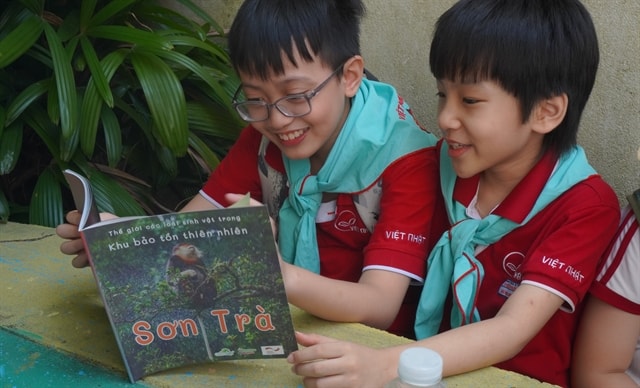
The aim is to promote nature and wildlife conservation in the Son Tra Nature Reserve.
GreenViet biologist and manager of the Son Tra Nature Education Centre Nguyen Thi Tinh said 3,000 copies of the book, which was introduced for the first time in 2020, have been reprinted to provide information about the jungle ecosystem and wildlife in the Son Tra Reserve.
She said the 2025 edition will be published in both Vietnamese and English for students at Vietnamese and international schools to explore the reserve’s rich biodiversity and conservation efforts.
“The book offers a real-life look at the reserve and gives much-needed information for students to learn more about nature and the wildlife in the area. It features storytelling from the perspective of wildlife species themselves, sort of like kids talking about their daily life activities to friends,” Tinh said.
“We have had donations from more than 300 individuals and organisations and contributed photos from 20 local photographers for the reprinting, in both the English and Vietnamese versions,” she noted.
“The book just costs VND27,500, but it could help raise awareness among students about nature and wildlife protection as well as the rich biodiversity in the Son Tra Reserve.
“Any donations for the book will help open millions of hearts and bring knowledge of wildlife species and the importance of forest protection to the kids.”
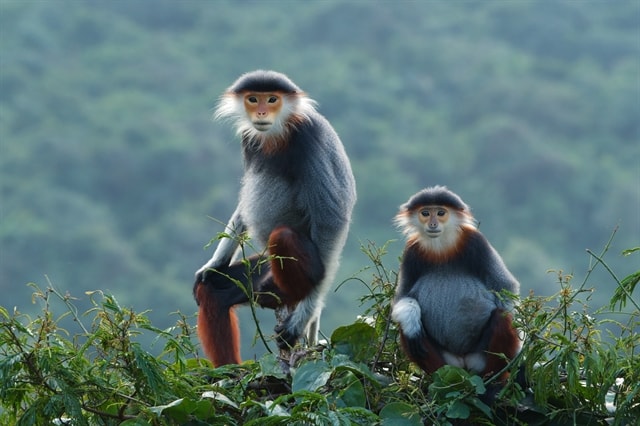
GreenViet reports that since 2012, it has organised 500 jungle trips for more than 70,000 students, teachers, parents and communities in Da Nang to explore the Son Tra Reserve and its rare wildlife species, especially the endangered red-shanked douc langur (Pygathrix nemaeus).
The reserve is home to a population of more than 1,300 of the critically endangered species.