

International partnerships revitalize Cham cultural heritage in Central Vietnam
DNO - Since the early 1990s, international cooperation has played a pivotal role in preserving Cham cultural heritage in central Vietnam, particularly at the My Son Sanctuary in Da Nang.
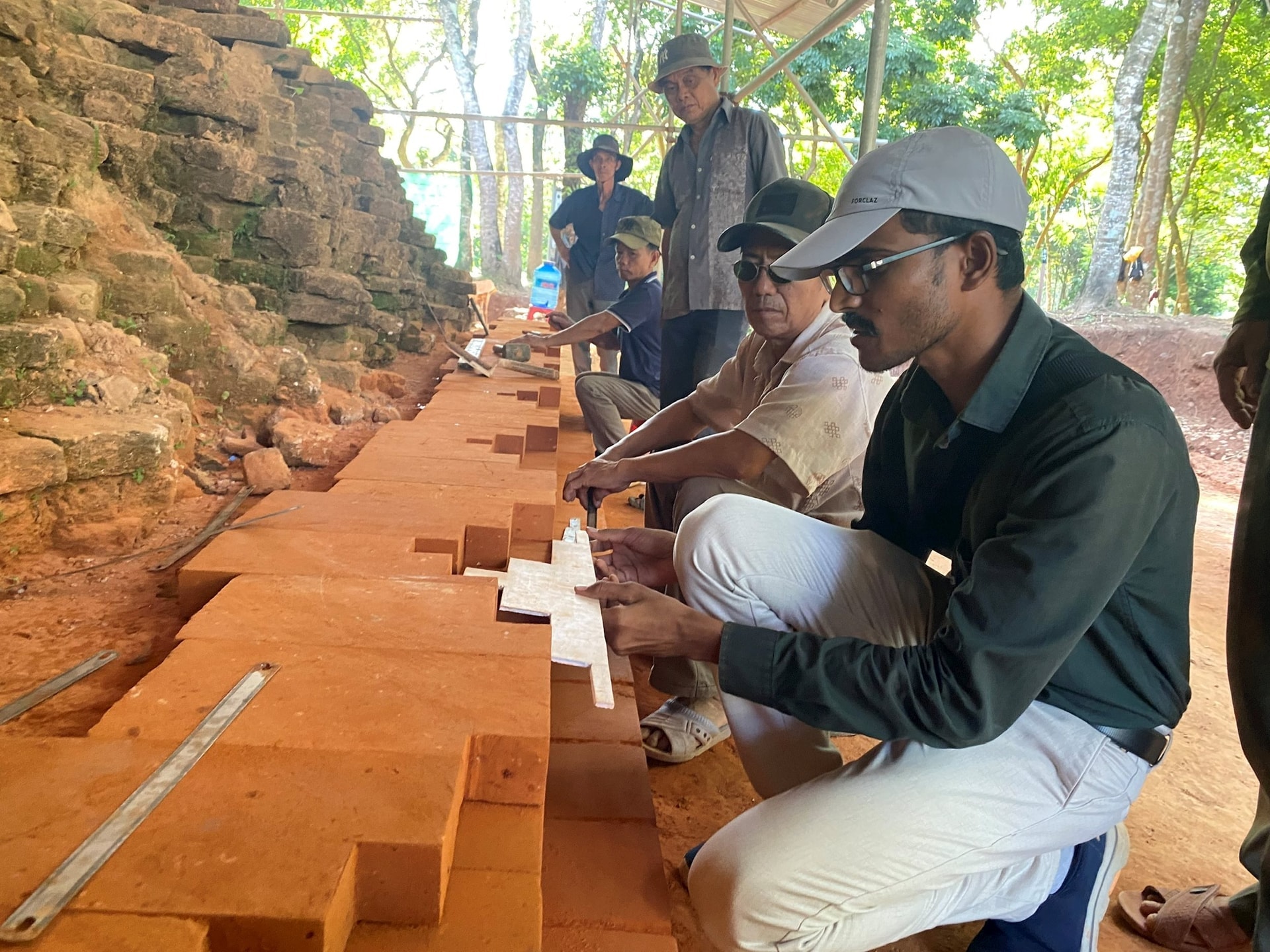
Thanks to financial and technical support from foreign governments and organisations, a number of Cham towers once at risk of collapse have been carefully excavated and restored, reaffirming My Son’s status as a UNESCO World Heritage Site.
The first major milestone came in 1993, when the Vietnam Institute of Archaeology joined hands with the Institute of Archaeology in London to excavate Tra Kieu, the former Champa capital. This marked the beginning of a new phase of international archaeological collaboration in Vietnam after 1975.
Over the next decade, experts such as Professor Ian C. Glover (UK) and Marico Yamagata (Japan) contributed significantly to these efforts.
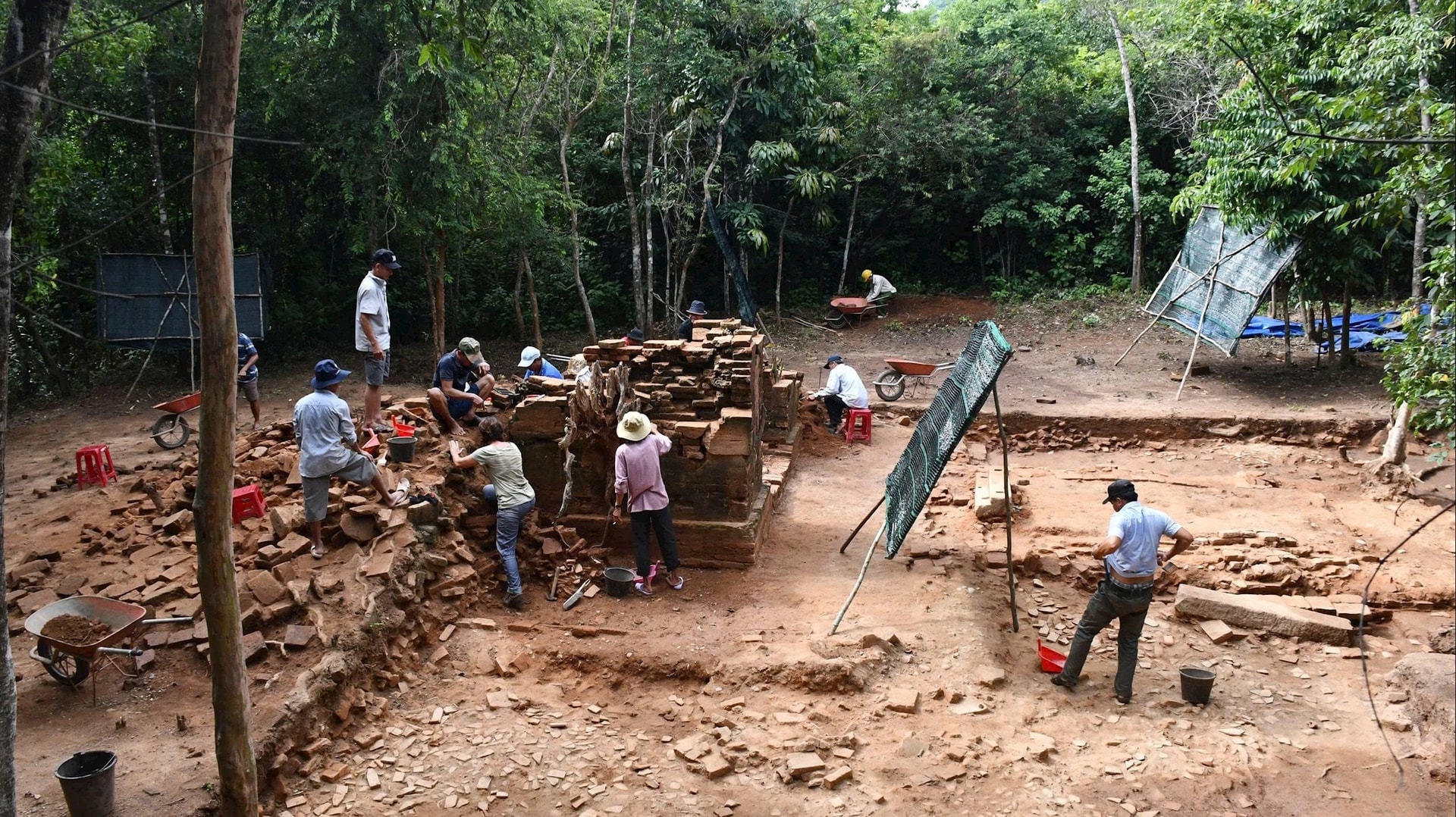
Among the most notable projects was the conservation of Group G towers at My Son (2003 - 2013), a tripartite collaboration between UNESCO, Vietnam, and Italy, with funding exceeding US$1.3 million. More than 1,500 artifacts were unearthed, while the project provided a scientific basis for stabilising and restoring the towers.
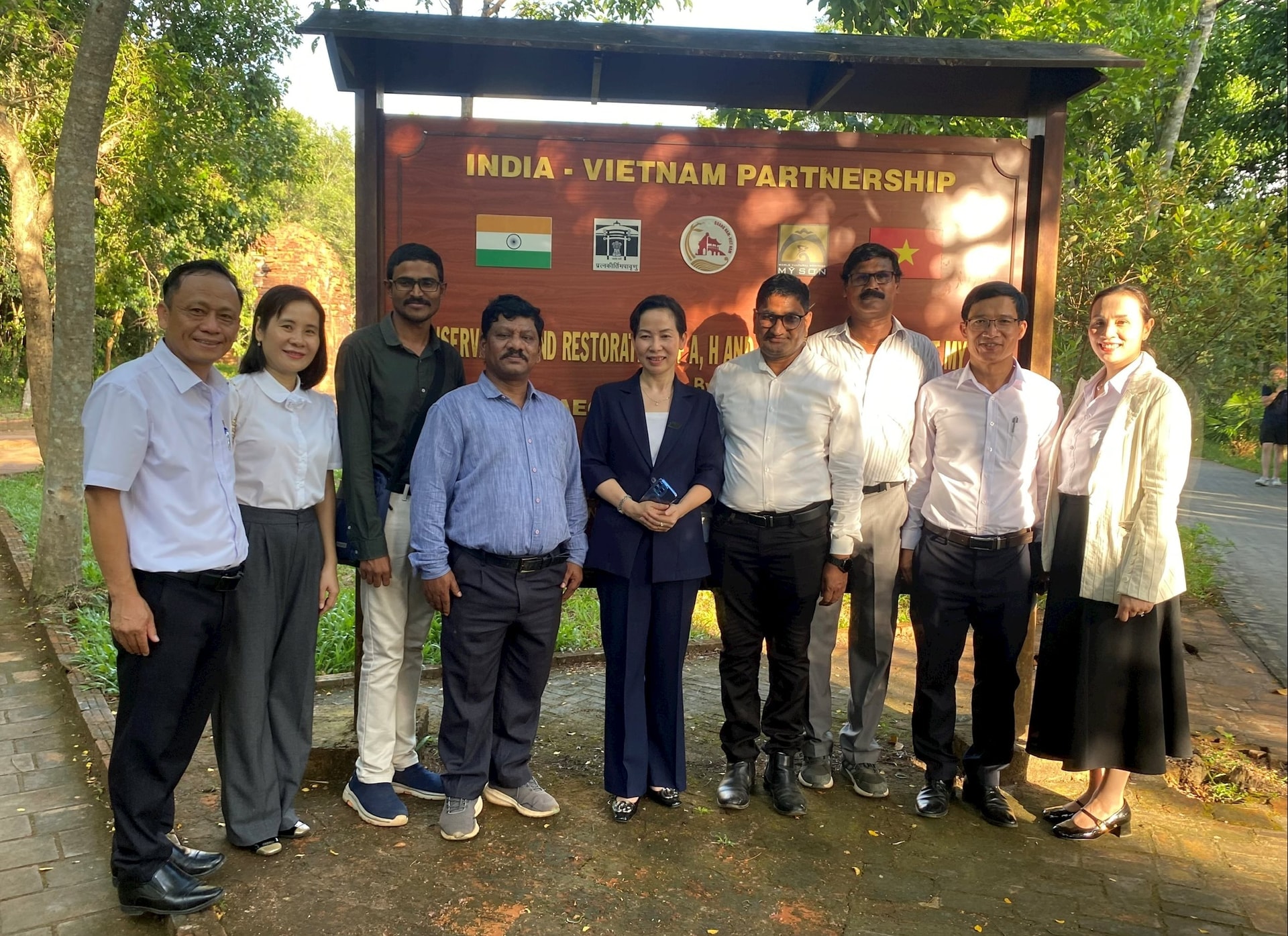
India has also emerged as a key partner. Between 2017 and 2022, the Indian government financed the urgent restoration of Groups K, H and A, preventing imminent structural collapse.
During this period, the discovery of the altar at Tower A10 was later recognised as a Vietnamese national treasure in 2021. India continues to support new preservation efforts for Groups E and F, running from 2025 to 2029.
Italy’s C.M. Lerici Foundation has most recently assisted with the excavation of Group L, revealing what may have been a Cham defensive structure.
Earlier, Polish architect Kazimierz Kwiatkowski (1944 -1997) laid the groundwork for international cooperation through reinforcement work at My Son during the 1980s.
According to Vietnamese archaeologists, the partnership is vital: local experts bring practical field knowledge, while international specialists provide advanced theory and technology.
Together, they are ensuring that Cham heritage is not only safeguarded but also revived for future generations and for the global public.