

From farms to experiences: A new direction for sustainable values
DNO - As traditional agriculture is under great pressure from markets, output and competition, many new models are being implemented to reposition farming as not only production but also a space for experience, education and cultural identity preservation.
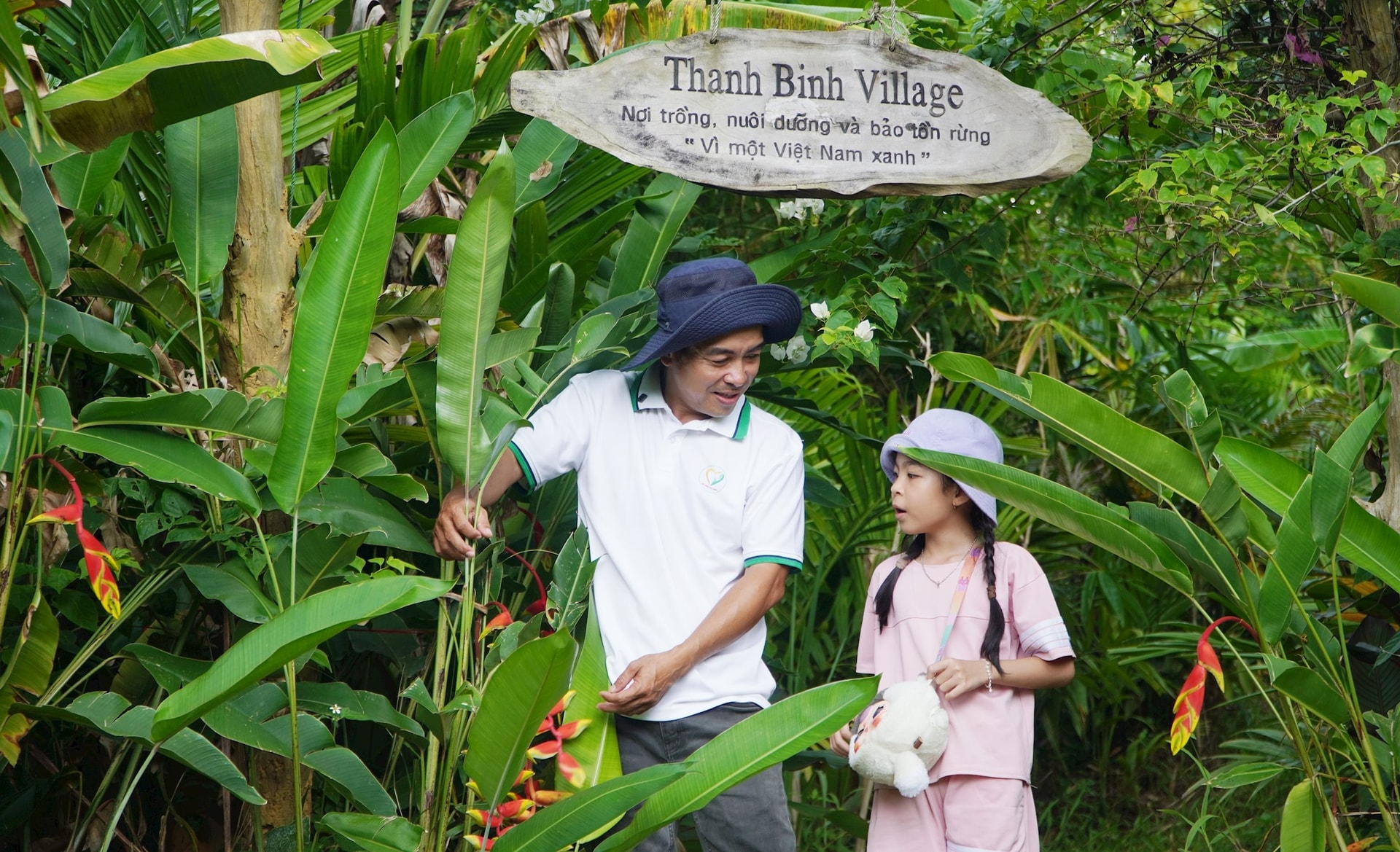
A typical example is the "garden - forest" ecological model developed by Mr. Nguyen Thanh Binh in Son Cam Ha Commune.
According to Mr. Binh, the garden - forest space is not only for cultivation but also a place to preserve indigenous knowledge. It also serves as an open learning environment for younger generations.
“When children get their hands dirty with soil, touch the layers of rotten leaves and know why tree roots retain water, a love for nature and an understanding of agriculture will come naturally, without having to be taught”, he explained.
In the Ngoc Linh ginseng areas across Tra Linh, Nam Tra My and Tra Tap communes where tourists are familiar with ginseng garden tours, the experiential services are also gradually being reshaped.
The “Legend of Ngoc Linh Ginseng” tour, featuring the participation of local people as tour guides, chefs and storytellers, goes beyond sightseeing.
Visitors can harvest ginseng, learn about cultivation techniques such as how to incubate mud and build huts, listen to stories about indigenous culture, and even spend the night to experience highland life.
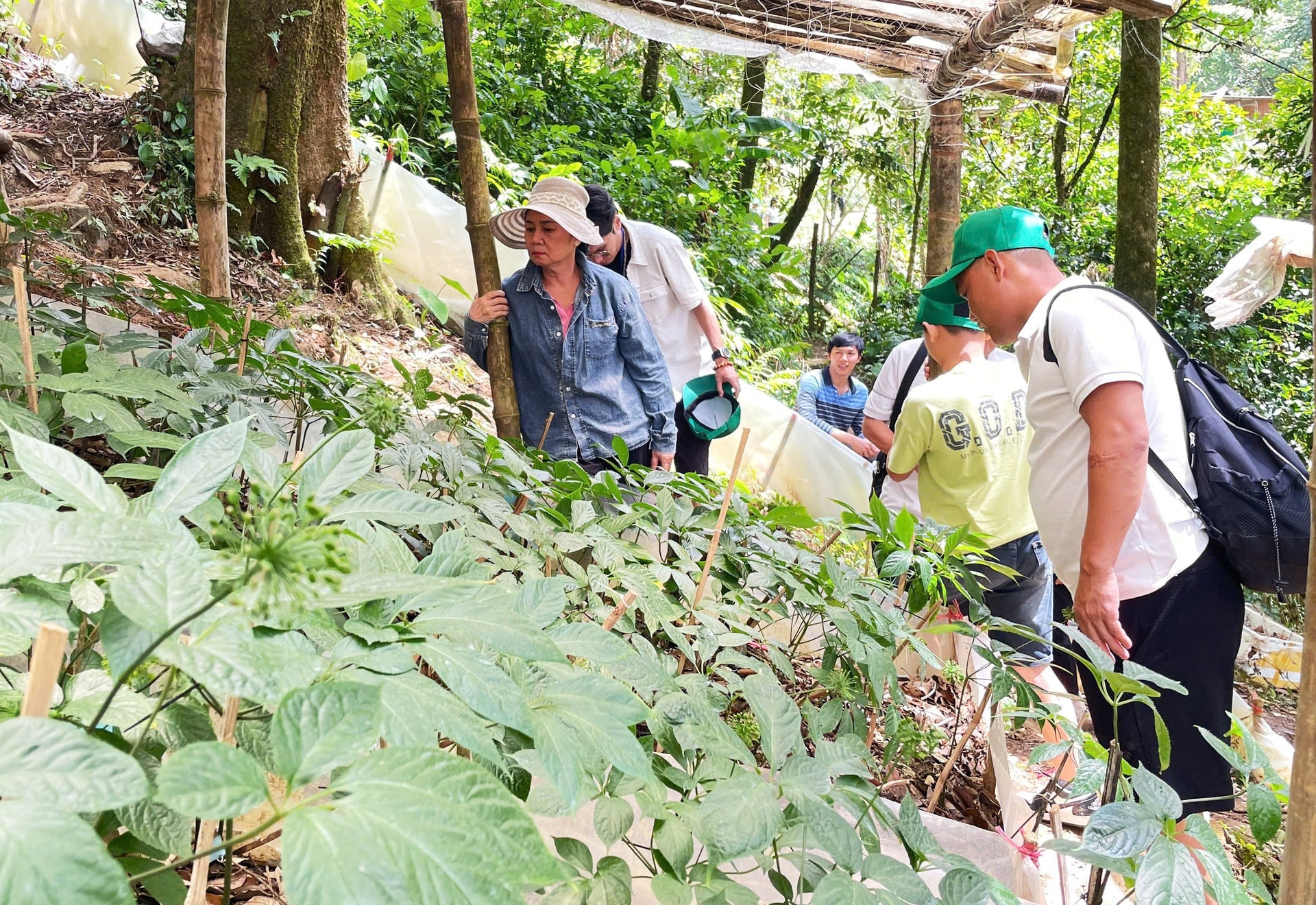
The special feature of this tour is the combination of traditional craft and indigenous culture. From the storytelling of the Xe Dang people to meals infused with ginseng and medicinal herbs, travelers can learn more about ginseng within its authentic cultural and natural setting.
The combined model helps increase farmers’ income not only from produce but also from related services such as homestays, dining, guiding, and sales.
It also generates “soft values” including environmental education, preservation of indigenous knowledge, and the promotion of a rustic, nature-friendly rural image.
However, to ensure this approach remains truly sustainable, systematic policies are needed. These include training farmers in guest reception skills, developing quality standards for experiential models, and, above all, safeguarding cultural identity.