
Gửi bình luận
DNO - As Da Nang’s tourism sector strives to diversify its products and enhance added value, medical tourism is increasingly seen as a promising direction that can create a "boost" for the local sustainable growth.
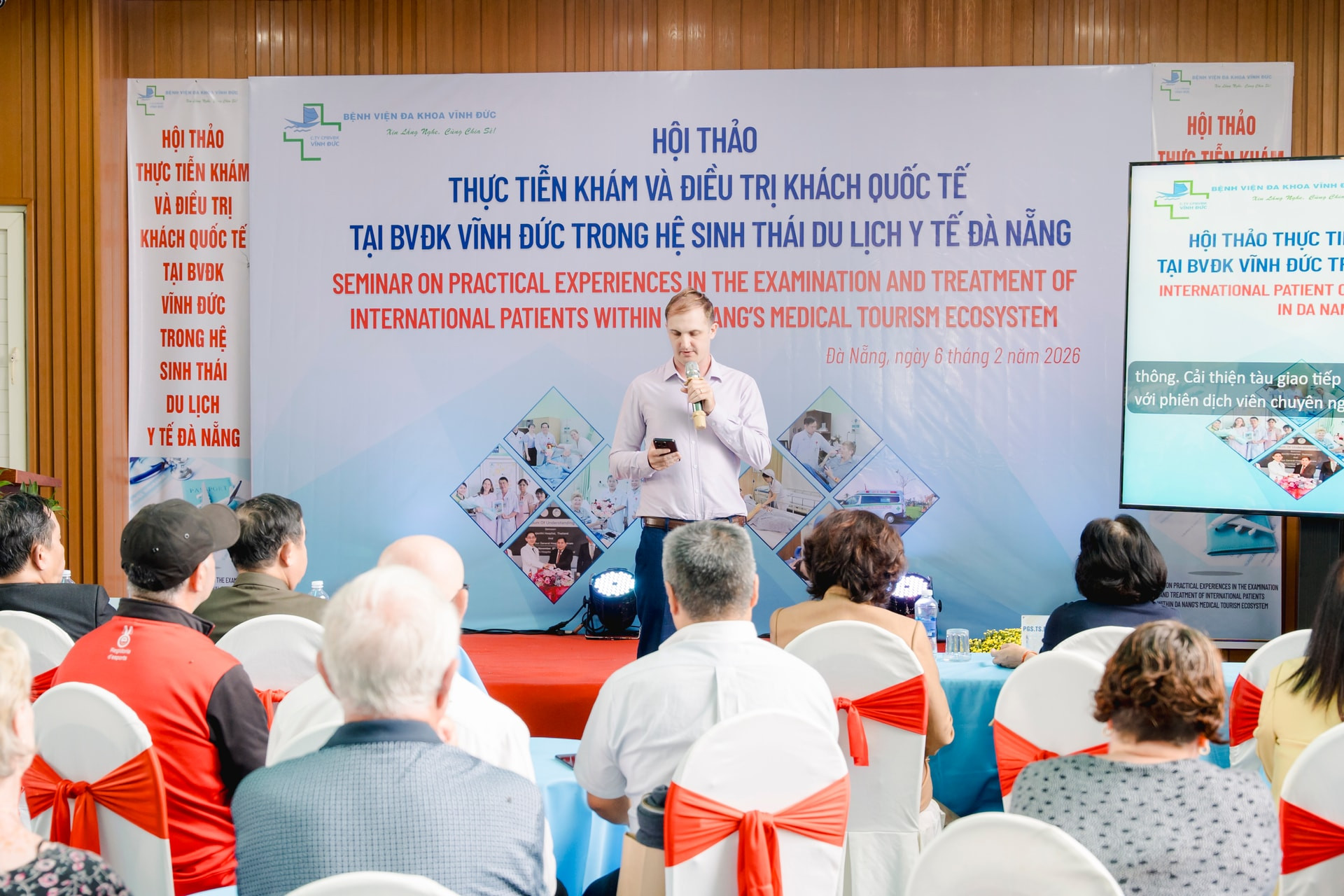
A market full of potential
Medical tourism combines healthcare services with leisure, relaxation, and sightseeing.
With advantages in living environment, natural landscapes, well-developed tourism infrastructure, and an increasingly invested healthcare system, Da Nang has many favorable conditions to develop this type of tourism.
Competitive pricing is a key advantage for developing medical tourism in Vietnam.
Healthcare services in Vietnam typically cost only about 30 - 50% of foreign countries such as Singapore or Thailand, whilst the quality is approaching international standards. This creates a competitive advantage in attracting patients from developed countries as well as overseas Vietnamese communities.
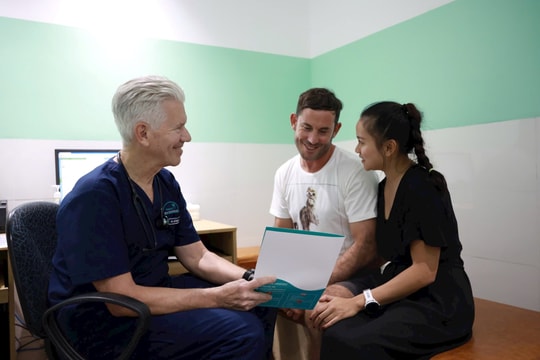
Recently, the Vinh Duc General Hospital in Dien Ban Ward has performed surgery on Mr. Travis Carrasquillo, an American patient, at a cost significantly lower than in other countries.
The man suffered a fractured cheekbone and several other facial cracks during a sports activity in Da Nang.
He was then taken to the Vinh Duc General Hospital for initial treatment and later chose to undergo surgery there.
Along with professional techniques and attentive care, the treatment cost was what surprised Travis the most. Without health insurance, he paid just over VND 28 million in total.
He noted that with a similar length of hospital stay and surgical procedures, the cost elsewhere could reach around US$6,000, and in the United States, it could be substantially higher.
Additionally, Vietnam holds strengths in rehabilitation services, traditional medicine, and physiotherapy combined with abundant herbal resources. This reflects a holistic healthcare approach with a distinct identity that many countries in the region do not possess.
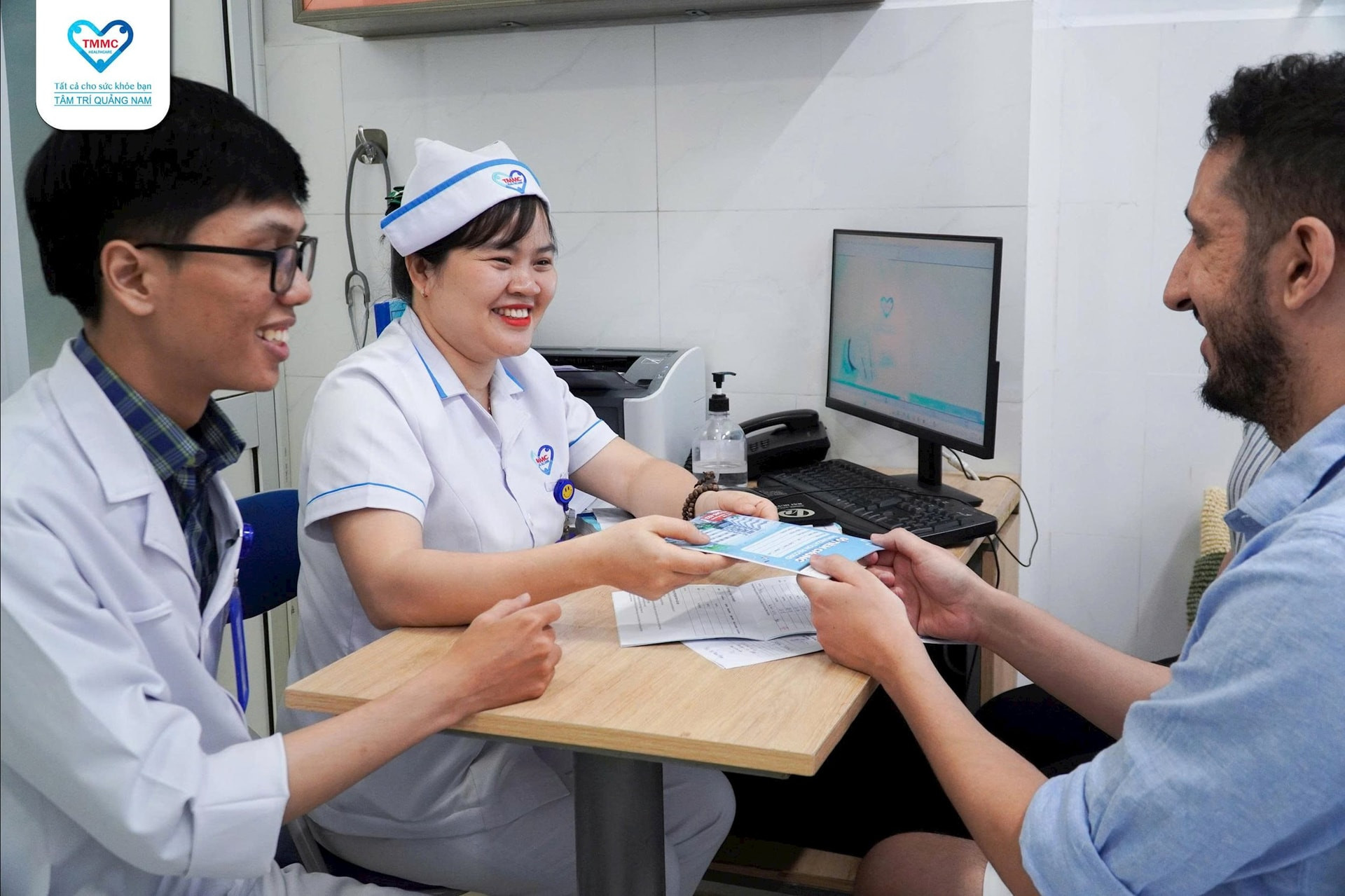
Optimizing access to healthcare services
Medical tourism goes beyond healthcare and treatment; it must integrate cultural and travel experiences.
Currently, the Ministry of Health is seeking feedback on the “Medical Tourism Development Project for the 2026 – 2030 period”.
One of major orientations of the project is to pilot integrated medical tourism models linking hospitals, hotels, and resorts in localities with strong potential, including Ha Noi, Ho Chi Minh City, Da Nang, Quang Ninh, and Khanh Hoa.
In the context of global population ageing, Vietnam is emerging as a key market. According to a report by Phoenix Research in 2025, the elderly care market in Vietnam is expected to reach US$1.79 billion by 2033 with a compound annual growth rate (CAGR) of 8.1%.
Notably, Da Nang and the central region are forecast to lead the country with an impressive growth rate of 9.1%.
With competitive advantages in natural resources, affordable healthcare costs, a highly qualified medical workforce, and synchronised tourism infrastructure, medical tourism is regarded as a new driving force, helping Da Nang's tourism sector elevate its position on the international map.