Gửi bình luận
DNO - A vocational training partnership between Da Nang-based Central Region College of Technology, Economics and Water Resources and Japan’s TAKARA Group is enabling many Vietnamese students to work in Japan with stable, high incomes and professional growth prospects.
High-income career pathways
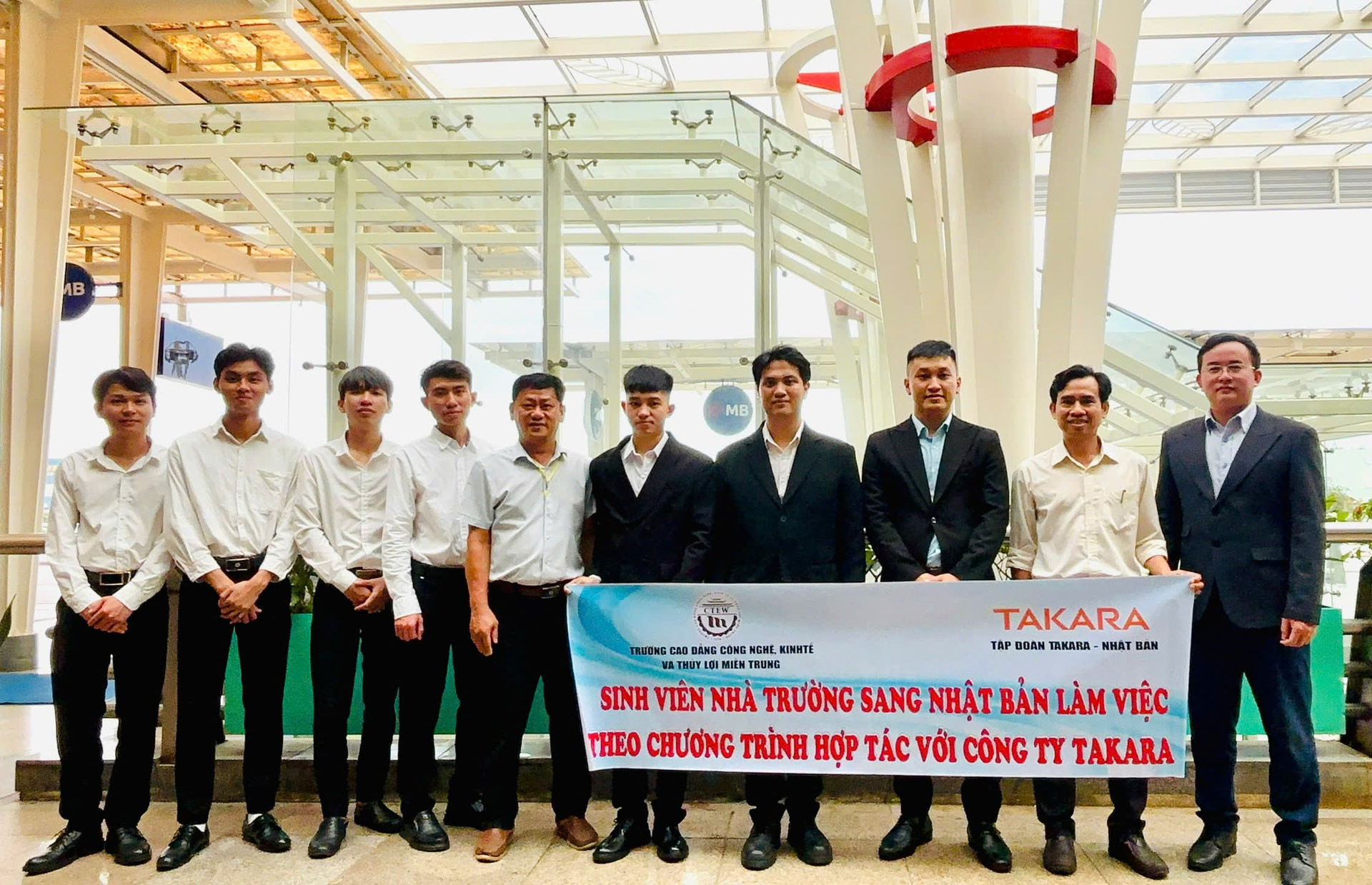
The cooperation stems from a memorandum of understanding (MoU) signed on July 1, 2022, witnessed by Representative of the Consulate-General of Japan in Vietnam.
Under the agreement, around 30 students each year from disciplines such as construction, transportation, water resources and drainage are selected to participate in the TAKARA Zemi training programme.
The programme is fully funded by the Japanese enterprise, covering tuition, learning materials, transportation and guidance. Beyond technical expertise, it integrates Japanese language training, workplace discipline, safety standards and cultural orientation.
One beneficiary is Dinh Duc Hai Duong, a graduate in hydraulic construction, who joined the programme after initially viewing the prospect of working in Japan as beyond reach.
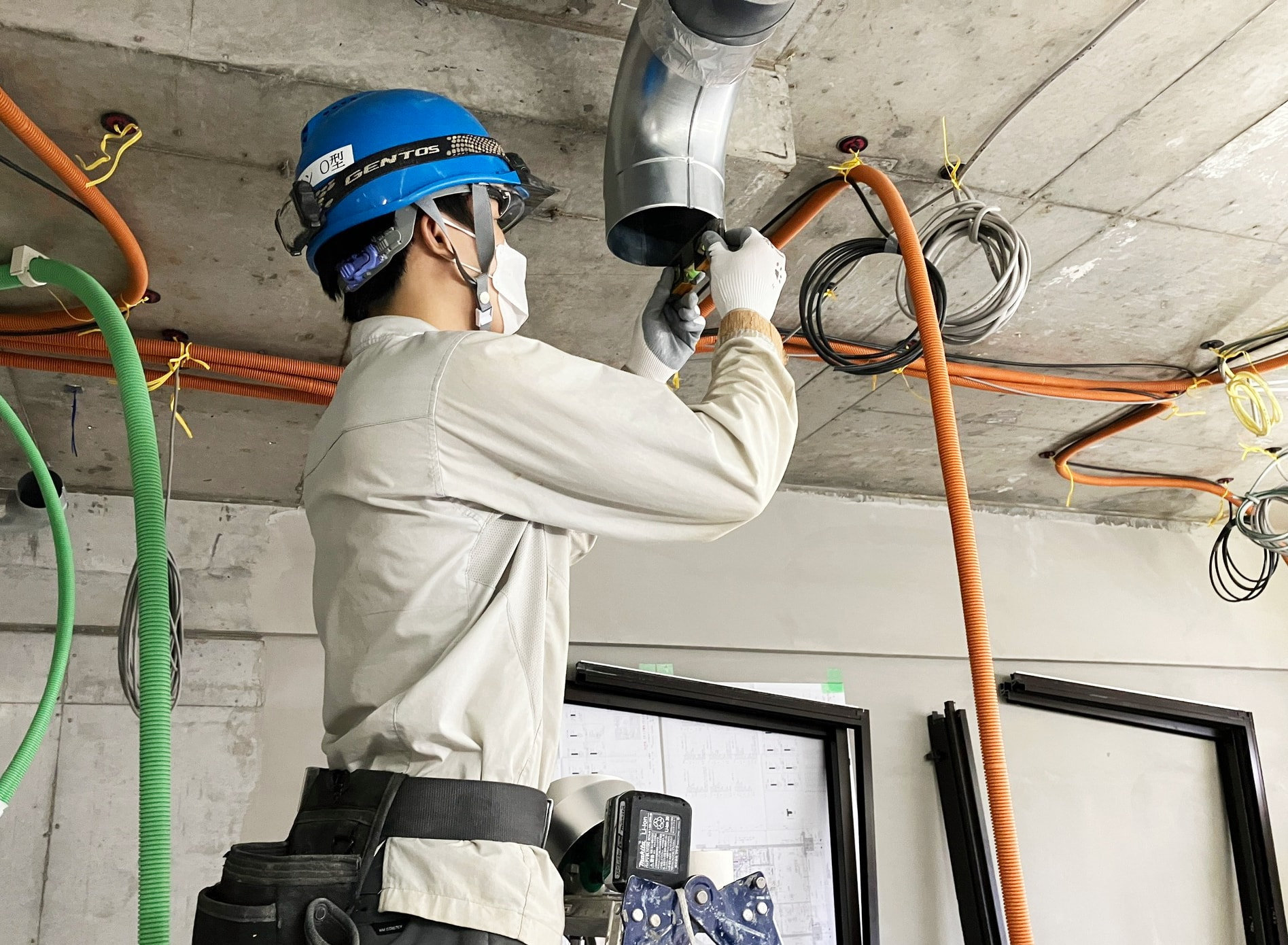
After nearly 7 months of intensive training, Duong began working in Japan as a technical worker installing water supply and drainage systems, air conditioning, ventilation and fire protection infrastructure.
Duong now earns close to VND30 million per month, excluding accommodation and living expenses.
Expanding this model, the college signed additional MoUs on May 8, 2025 with Japan’s Ocean and Nikken Sogyo companies, further widening employment channels for graduates and reinforcing industry-linked vocational education as a pathway to international careers.
Expanding partnerships to build a professional workforce for Japan
Mr Nishiyaki Tatsuya, President and CEO of Japan’s TAKARA Group, has been closely involved in vocational training cooperation in Vietnam for 17 years.
According to him, working in Japan is not only about acquiring technical skills, but first and foremost about learning how to live and work professionally, valuing safety, punctuality, integrity and respect for others.
“In Japan, being five minutes late can undermine trust, while arriving five minutes early helps build it,” Mr Tatsuya said, stressing that attitude, etiquette and conduct are regarded as equally important as professional competence in Japanese workplaces.
Japanese companies only accept workers who are disciplined, keep their commitments, are eager to learn and value family responsibilities.
In the context of Japan’s rapidly declining population, from 128 million in 2008 to 124 million in 2024, with projections falling below 100 million by 2050 , foreign workers are playing an increasingly vital role in the country’s economy.Labour from Vietnam, Indonesia, the Philippines and Myanmar is becoming particularly important.
“I have worked with Vietnamese students for many years. At first, many of them are unfamiliar with the environment, but once they understand the rhythm of life and work culture in Japan, they make rapid progress. Some have gone on to hold key positions within companies after just a few years”, Mr Tatsuya said.
TAKARA commits to a zero-cost placement model for students going to Japan, ensuring transparent salaries, full overtime pay, dormitory accommodation and a clear wage progression pathway.
The group also organises cultural exchange activities at partner institutions and connects students with Japanese sports clubs, including a football club in Kawasaki.
Mr Tatsuya also highlighted the importance of choosing reliable labour intermediaries, warning that excessive fees, delayed wages and illegal brokerage practices remain concerns.
Direct cooperation between enterprises and educational institutions helps ensure transparency throughout recruitment, training and employment.