
.jpg "Da Nang chefs elevate Vietnamese food tourism")
Gửi bình luận
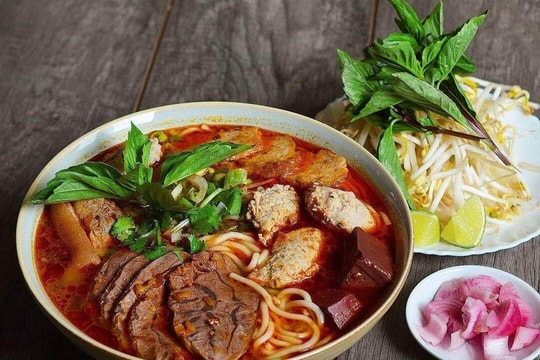
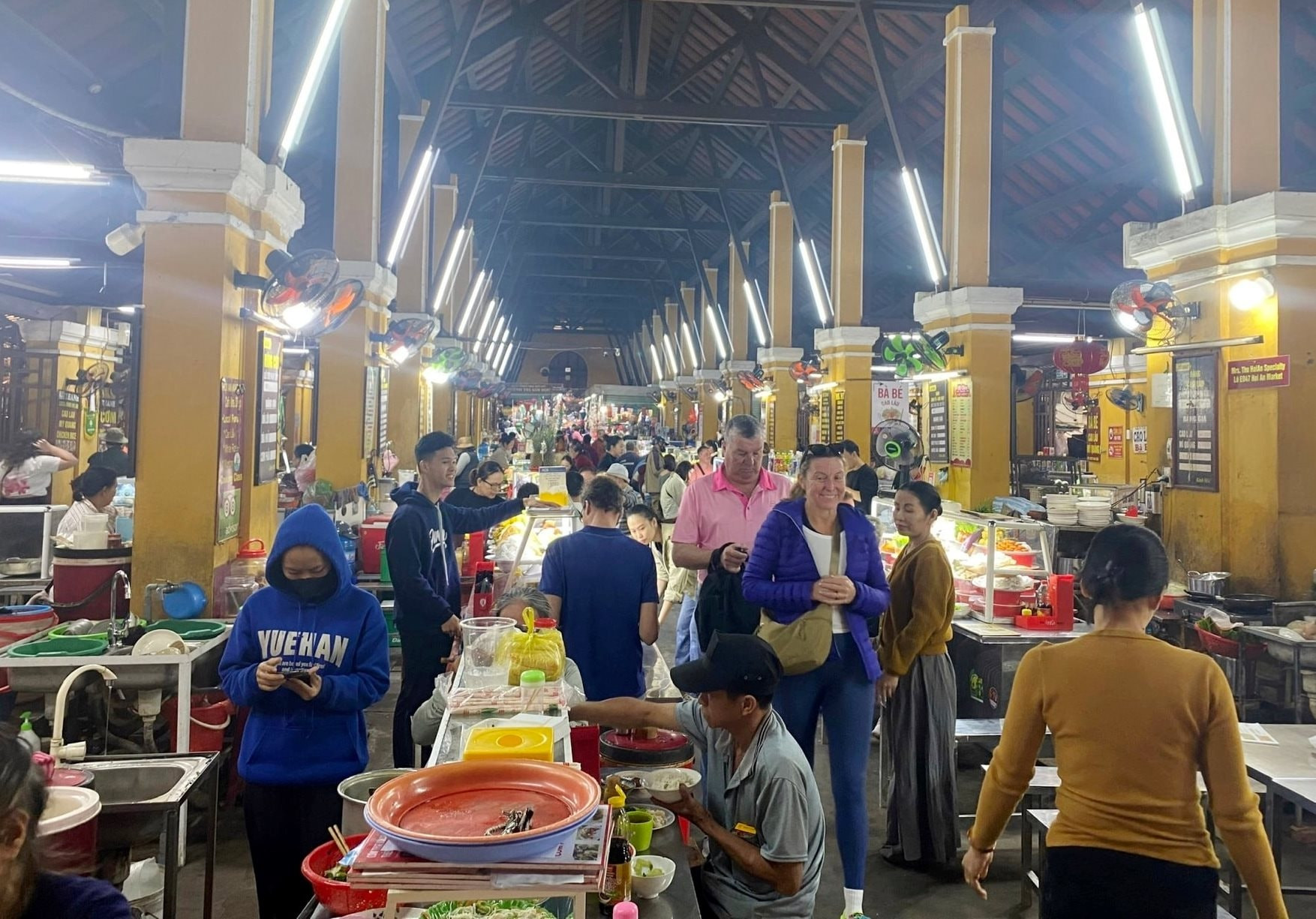
DNO - Hoi An Market, long regarded as a must-visit stop for travellers exploring the ancient town, has evolved into a vibrant culinary space where each dish carries a cultural story closely tied to the land and people in Central Vietnam.
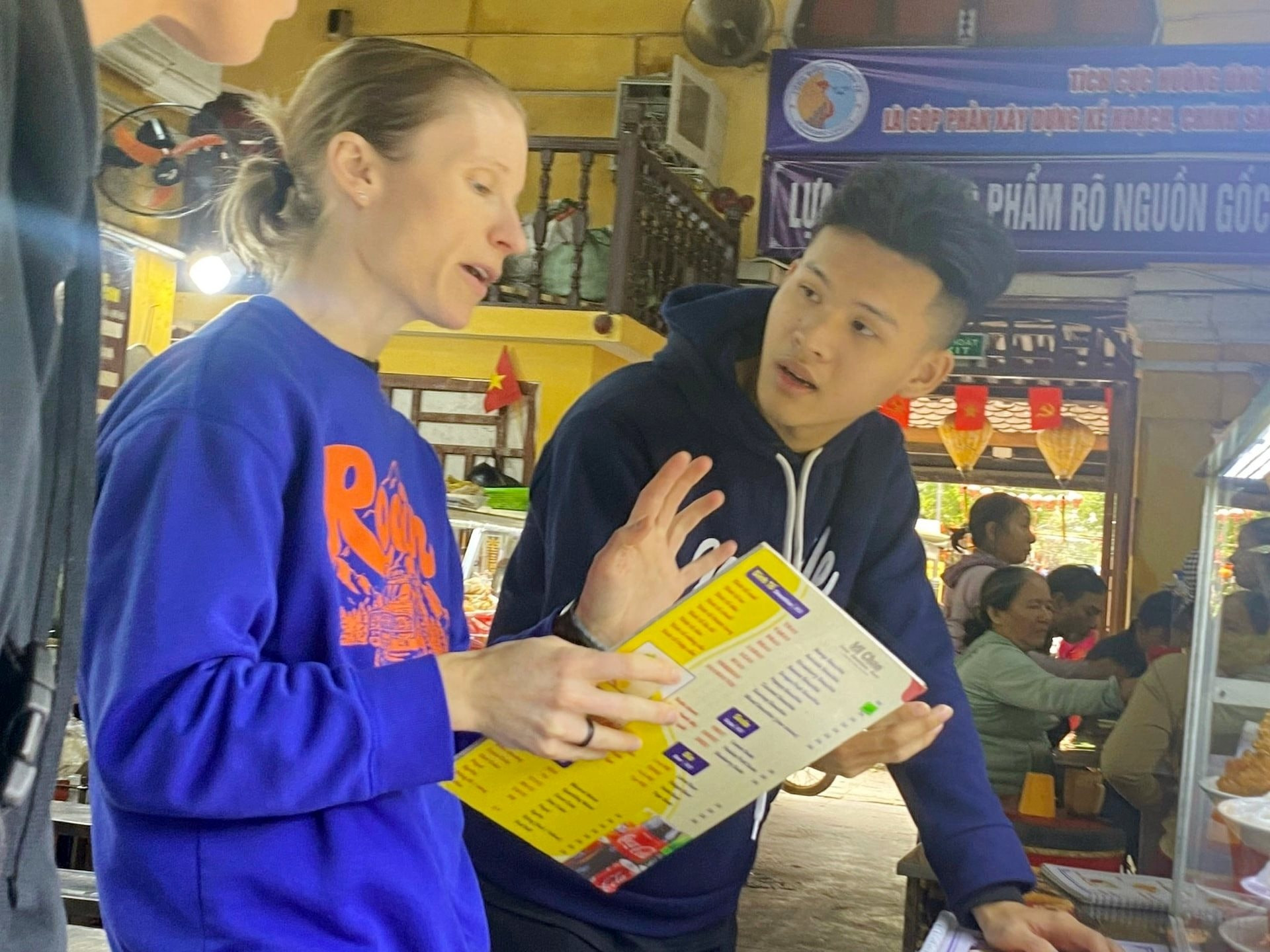
Standing thoughtfully in front of a food stall, Olivia, an Australian tourist, was drawn in by the scene: steaming bowls of “mi Quang” (Quang noodles), neatly arranged plates of “banh beo” and “banh loc”, and the vivid colours of fresh herbs and spices.
After a moment of hesitation, she followed the vendor’s recommendation and chose “cao lau”, one of Hoi An’s most iconic dishes.
“The flavour is very unique. I don’t quite know how to describe it, but it’s really good. I’ve never tasted anything like this before”, Olivia said after finishing her bowl.
Established around 1848, Hoi An Market today still reflects, in part, the prosperity of a once-thriving port town that played a key role in regional and international trade. Despite historical changes, the market has remained a central commercial and social space for local residents.
The market is clearly divided into zones, including dried goods, fresh produce, a food court, and areas selling souvenirs, shoes, fabrics and tailor-made clothing. This layout allows visitors to explore and shop with ease.
Among these sections, the food court stands out as the most popular destination for tourists.
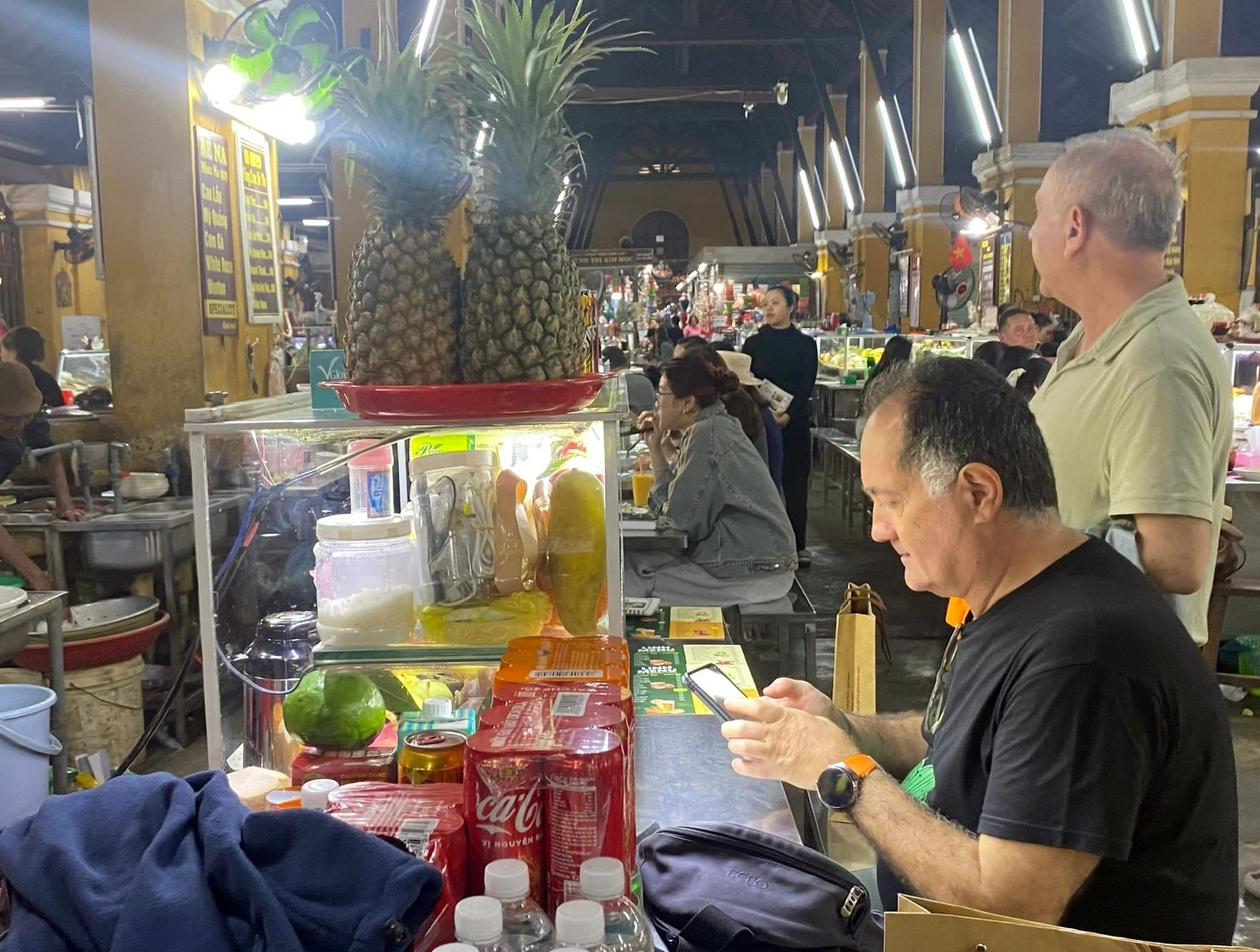
According to Le Thi Ngoc Diep, a long-time food vendor, most stalls offer extensive menus featuring local specialties such as “cao lau”, “mi Quang”, “banh vac”, “banh dap”, stir-fried baby clams, “banh beo”, “banh loc”, traditional sweet soups and fresh fruit-based drinks.
Prices, she noted, remain affordable and comparable to those of street-side eateries.
“Most tourists say the food is delicious and unfamiliar in a good way. Some foreign visitors return to the market many times just to eat their favourite dish during their stay in Hoi An,” Diep said.
Having sold food for nearly four decades, Diep originally ran her stall along the Bach Dang riverside before moving into the market around 2010.
Today, her stall serves dozens of customers daily, mostly tourists eager to experience authentic local cuisine. Beyond selling food, she often takes time to explain the origins of dishes, cooking methods and the eating habits of Hoi An residents, past and present.
For Nguyen Thi Lien, another vendor, doing business at the market is not merely a livelihood but also a way to promote the image of Hoi An Market and the warm, considerate character of its people.
“We don’t compete aggressively. If a customer chooses another stall, that’s fine. Keeping a friendly image is what brings visitors back and keeps the market lively in the long run”, she said.
More than a place to eat, Hoi An Market offers a cultural experience. Through each dish, visitors can sense the refined preparation, balanced seasoning and harmony of ingredients that define Hoi An’s culinary identity.
In the context of Da Nang’s push toward sustainable tourism, preserving and promoting traditional markets, especially their food culture, is widely seen as a meaningful and effective approach.
For many travellers, a visit to Hoi An feels incomplete without stopping by the market, sitting down to enjoy a bowl of “mi Quang”, “cao lau” or a warm cup of “che xi ma”.
Beyond the flavours, it is the enduring spirit of the ancient town, carefully preserved through generations, that leaves a lasting impression.
Hoi An Market currently has more than 40 food stalls, arranged into four orderly rows and operating daily from morning until 9 p.m. The market’s food court is notably free from common tourist-market problems such as aggressive solicitation, customer disputes or price gouging.
All dishes are clearly listed on menus with transparent pricing, presented in Vietnamese-English bilingual format, with some stalls also offering Korean-language menus to better serve international visitors.