
Gửi bình luận
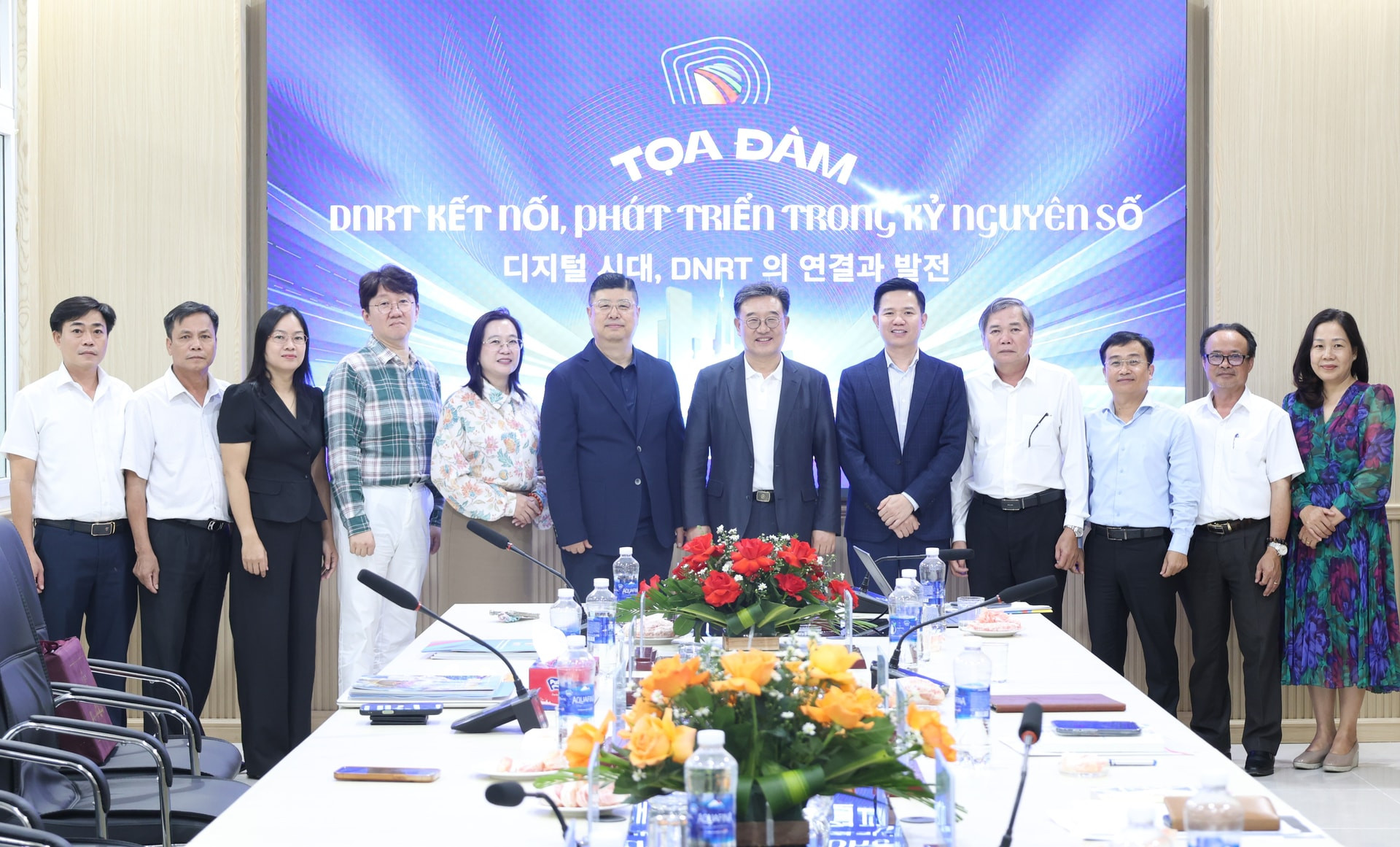
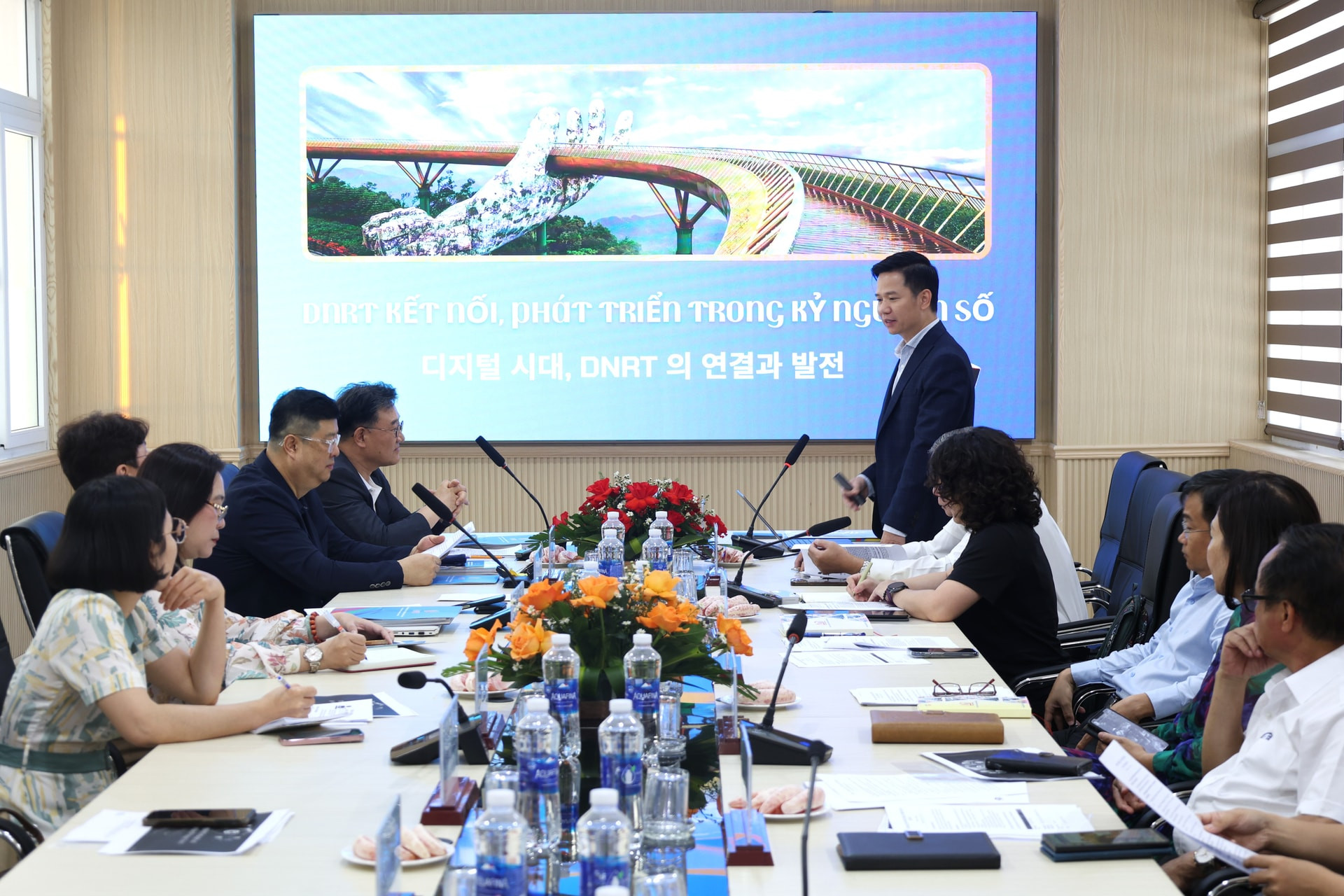
DNO - On April 23, the Da Nang Newspaper and Radio - Television (DNRT) hosted a seminar on fostering digital-era development connections, aimed at expanding cooperation with South Korean partners in information and communications.
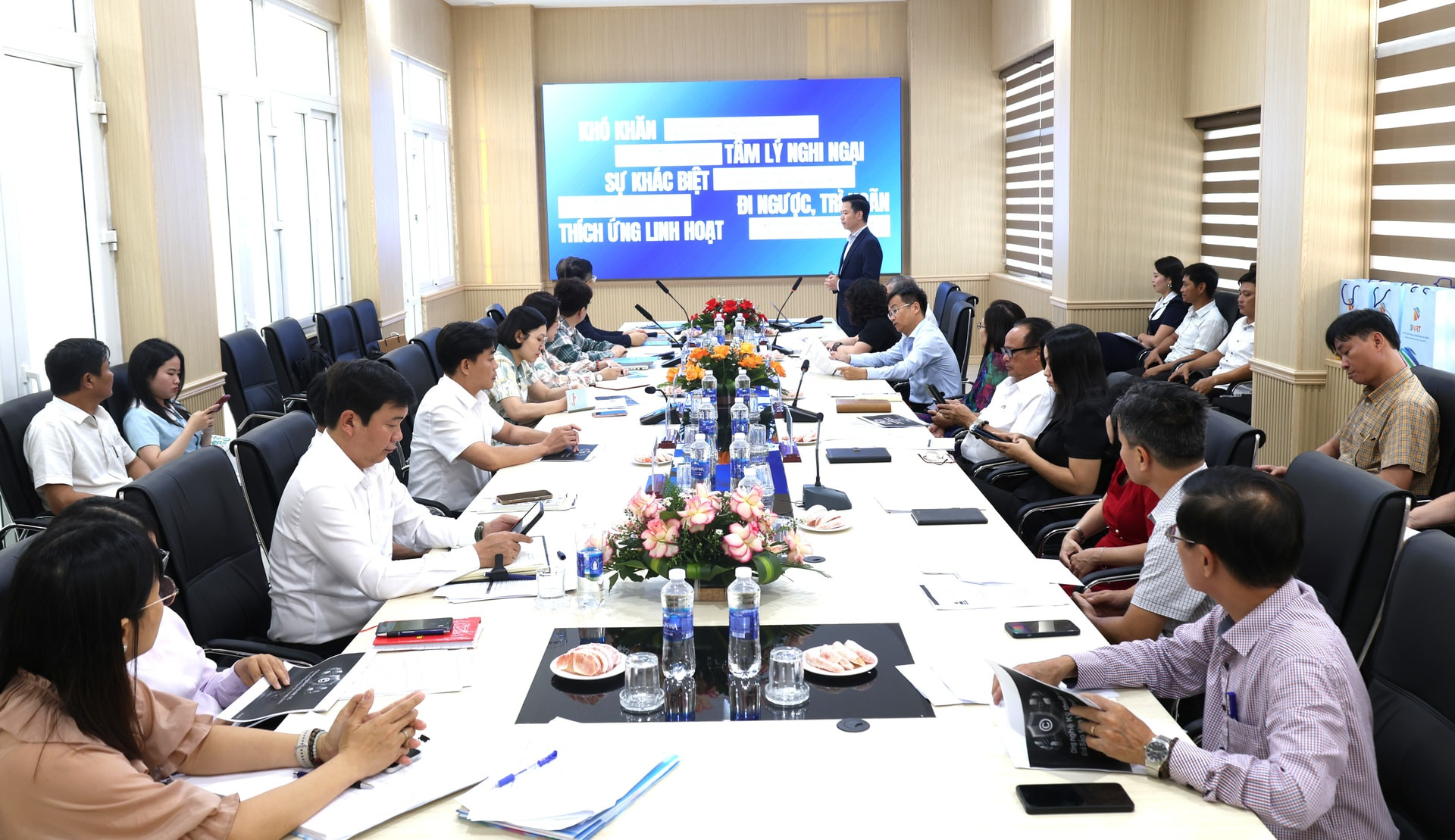
The seminar brought together representatives from the Department of Culture, Sports and Tourism and the Department of Foreign Affairs, along with experts from Munhwa Broadcasting Corporation (MBC), one of South Korea’s largest broadcasters. Leaders from the Korea Character Association (KOCA) and DNRT were also in attendance.
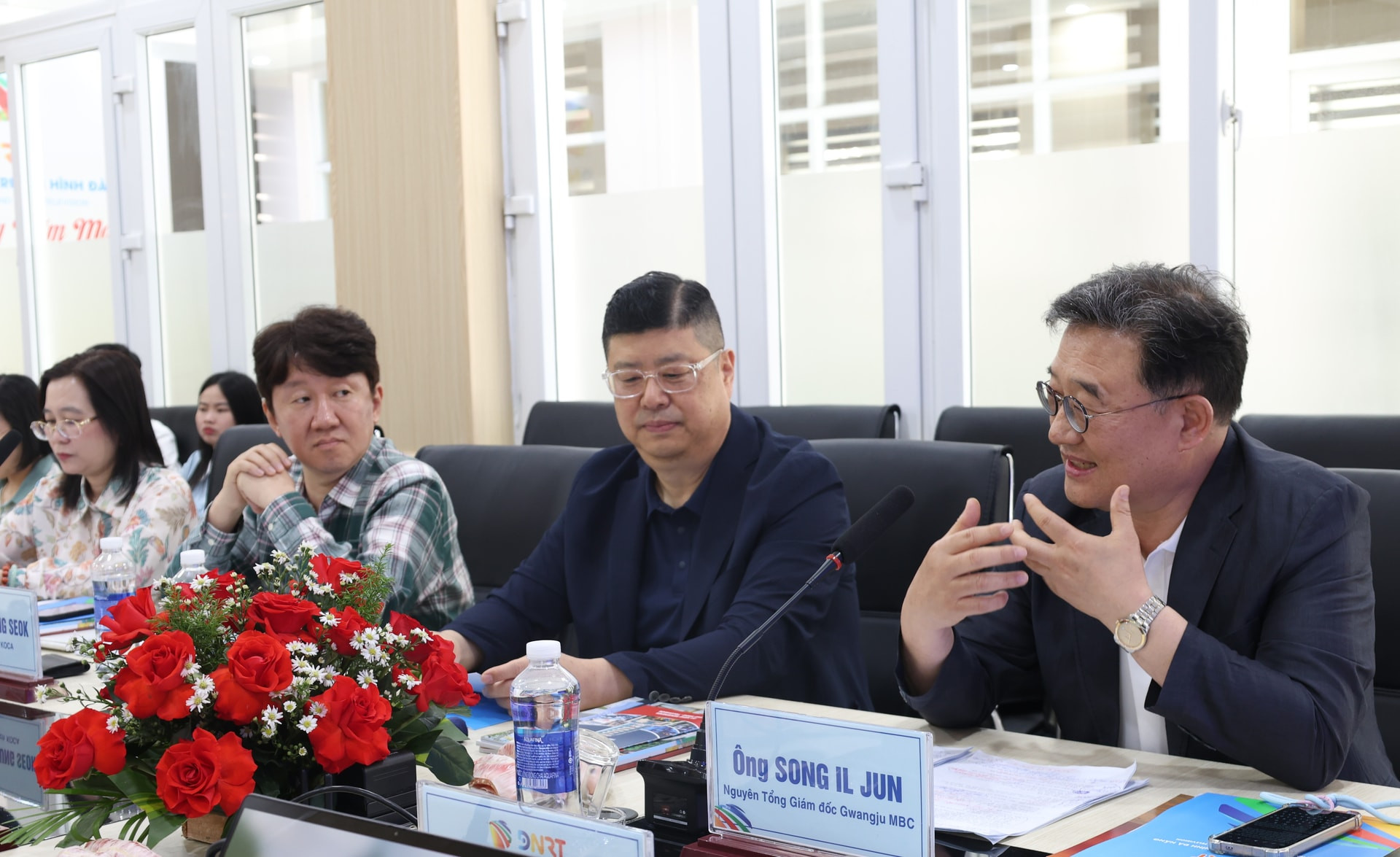
At the seminar, Song Il Jun, former CEO of Gwangju MBC, introduced high-performing MBC channels and highlighted shifting audience habits, noting the broadcaster has streamlined outdated programming while expanding news coverage to seven daily one-hour bulletins.
MBC is also accelerating digital transformation by distributing content via platforms such as YouTube and short-form “reels” on social media to boost viewership and advertising revenue.
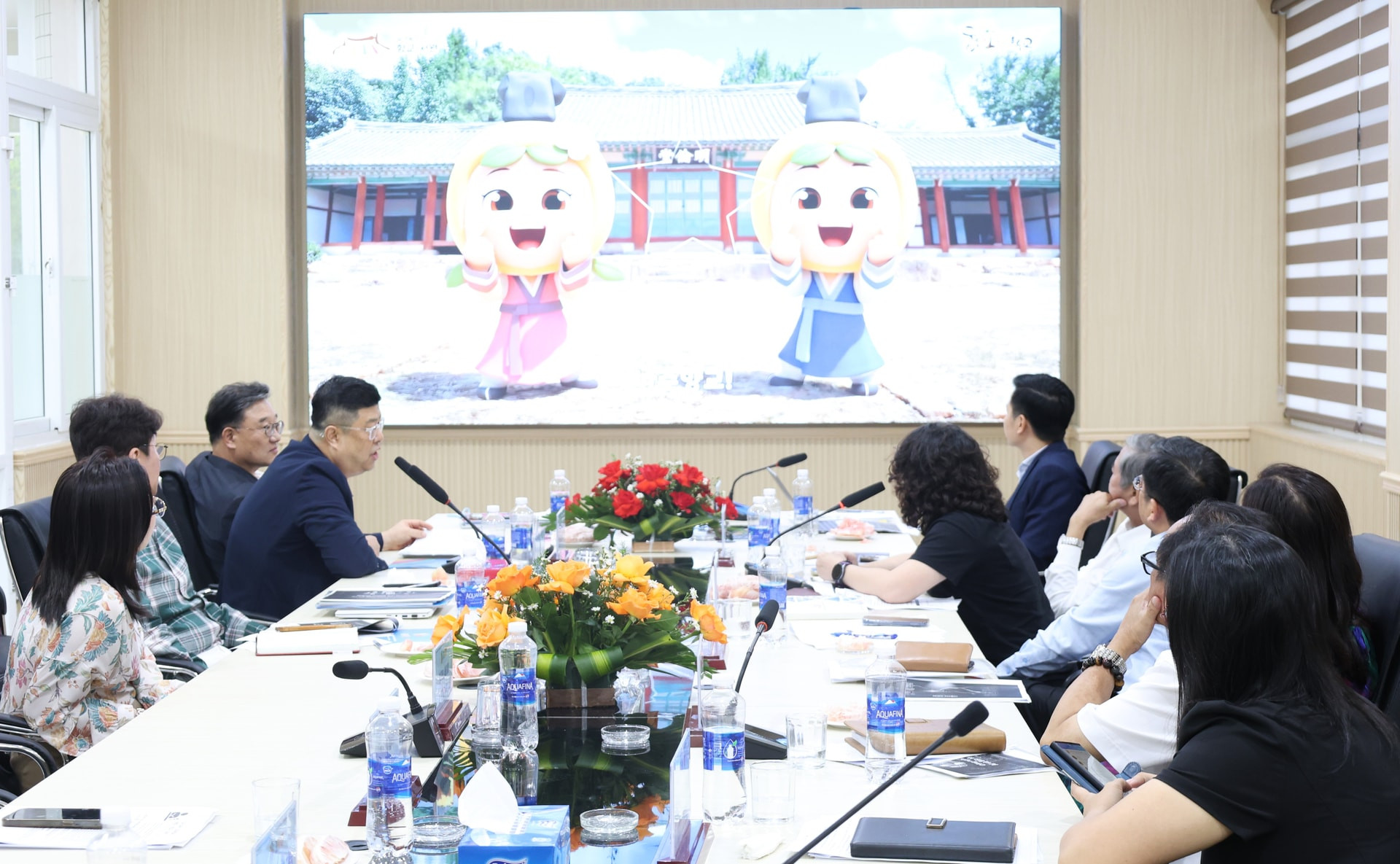
Meanwhile, KOCA Chairman Lee Jin Sik showcased notable digital products and shared experience in producing AI-generated short videos, highlighting production processes, technologies and the continued importance of human oversight.
Lee suggested potential areas of cooperation between DNRT and KOCA, including the distribution of AI-generated animation and the application of AI technologies in producing animated content inspired by Da Nang’s culture, history, and natural landscapes.
Concluding the seminar, DNRT Director Doan Xuan Hieu said that, with support from the municipal Departments of Culture, Sports and Tourism and Foreign Affairs, the organisation has begun establishing information exchange channels with KOCA, Yuhan University in Gyeonggi Province, and the Yeongam Culture and Tourism Foundation.
In the coming period, DNRT aims to strengthen connections, exchange expertise, and expand cooperation with both domestic and international partners in newspaper, broadcasting, and digital media.
The ideas shared at the seminar are expected to help DNRT improve how it manages its work, runs its newsrooms, and predicts media trends, which will make its media ecosystem, covering print, magazines, TV, radio, and digital content, more effective and profitable.