
Gửi bình luận
DNO - The East-West Economic Corridor (EWEC), originally designed as a strategic trade route, is gradually evolving into a cross-border tourism artery rich in cultural identity and experiential value.

From the beaches of Da Nang - home to some of Asia’s most beautiful coastlines - to the wind-swept Bolaven Plateau in southern Laos, and from the ancient streets of Hoi An to the Mekong’s Si Phan Don river archipelago, a new travel narrative is taking shape across mainland Southeast Asia.
EWEC is increasingly seen not only as a logistics backbone but also as a “journey corridor” connecting diverse landscapes, histories and communities. Tourism stakeholders say the route could redefine regional travel patterns by enabling seamless overland experiences across national borders.
Gateway into Southern Laos’ hidden potential
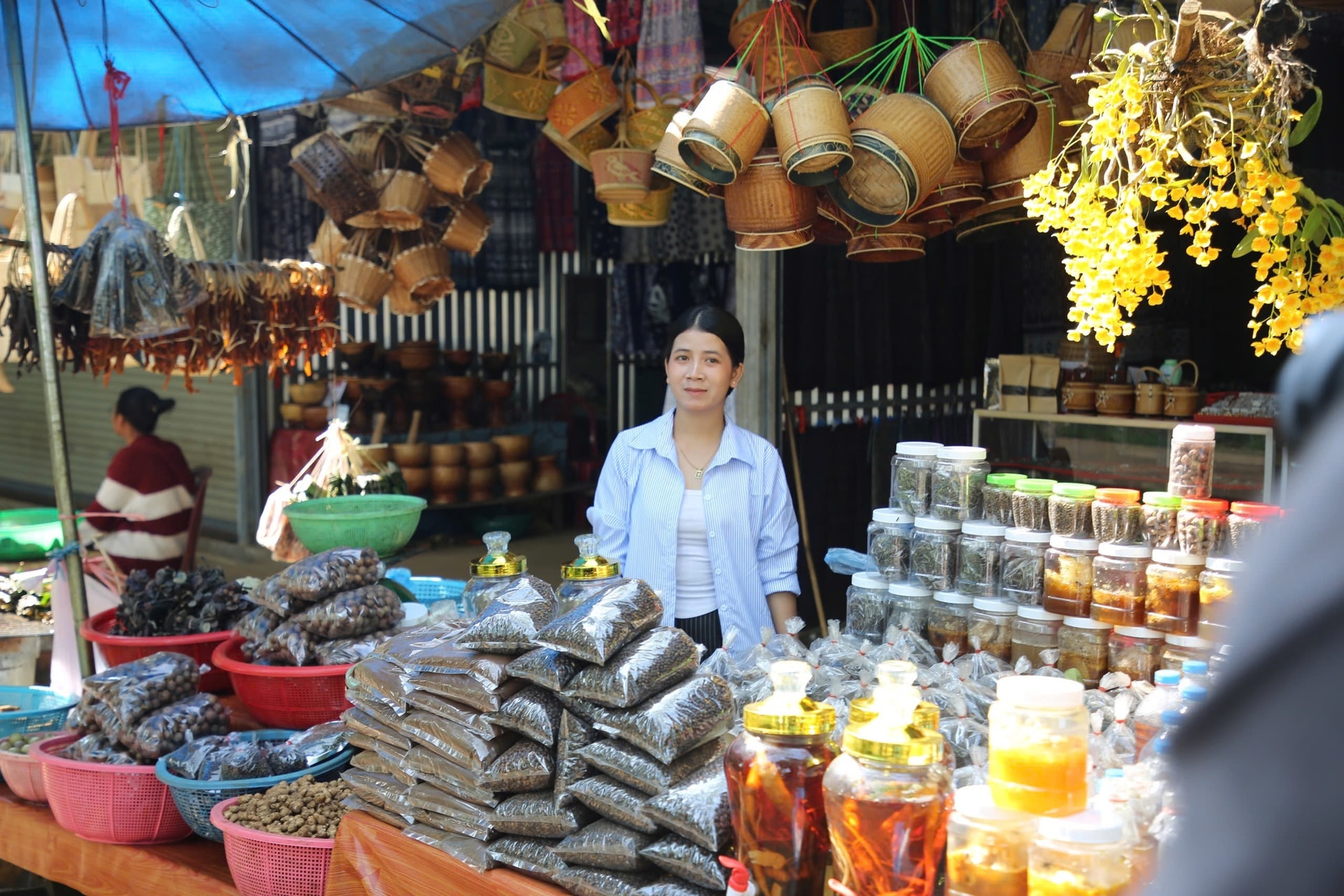
Southern Laos has emerged as a key highlight along the corridor. With its unspoiled nature, slow-paced lifestyle and strong cultural authenticity, the region offers fertile ground for immersive tourism products such as eco-travel, community-based experiences and long-stay exploration.
Southern Laos is emerging as a compelling destination where travelers can experience multiple layers of culture, nature, and everyday life within a single journey.
The southern provinces of Laos attract visitors with their untouched landscapes, slow-paced lifestyle, and a distinctly authentic local ecosystem that has remained largely preserved.
According to Inthy Deuansavanh, the Director of Inthira Group, one of Laos’ leading travel companies, the EWEC is creating significant opportunities for regional countries to develop integrated tourism products.
These products are expected to leverage each destination’s distinct strengths in natural landscapes, cultural heritage, and historical assets, enabling more cohesive and diversified cross-border travel experiences.
He noted that the Lao tourism market is showing a strong and steady recovery, with considerable room for further growth in the coming years.
In 2025, Da Nang welcomed more than 31,000 visitors from Laos, while the first three months of 2026 alone recorded over 7,000 arrivals.
This upward trend reflects not only improving regional mobility but also growing demand for cross-border tourism between Laos and central Vietnam.
Building a regional tourism ecosystem
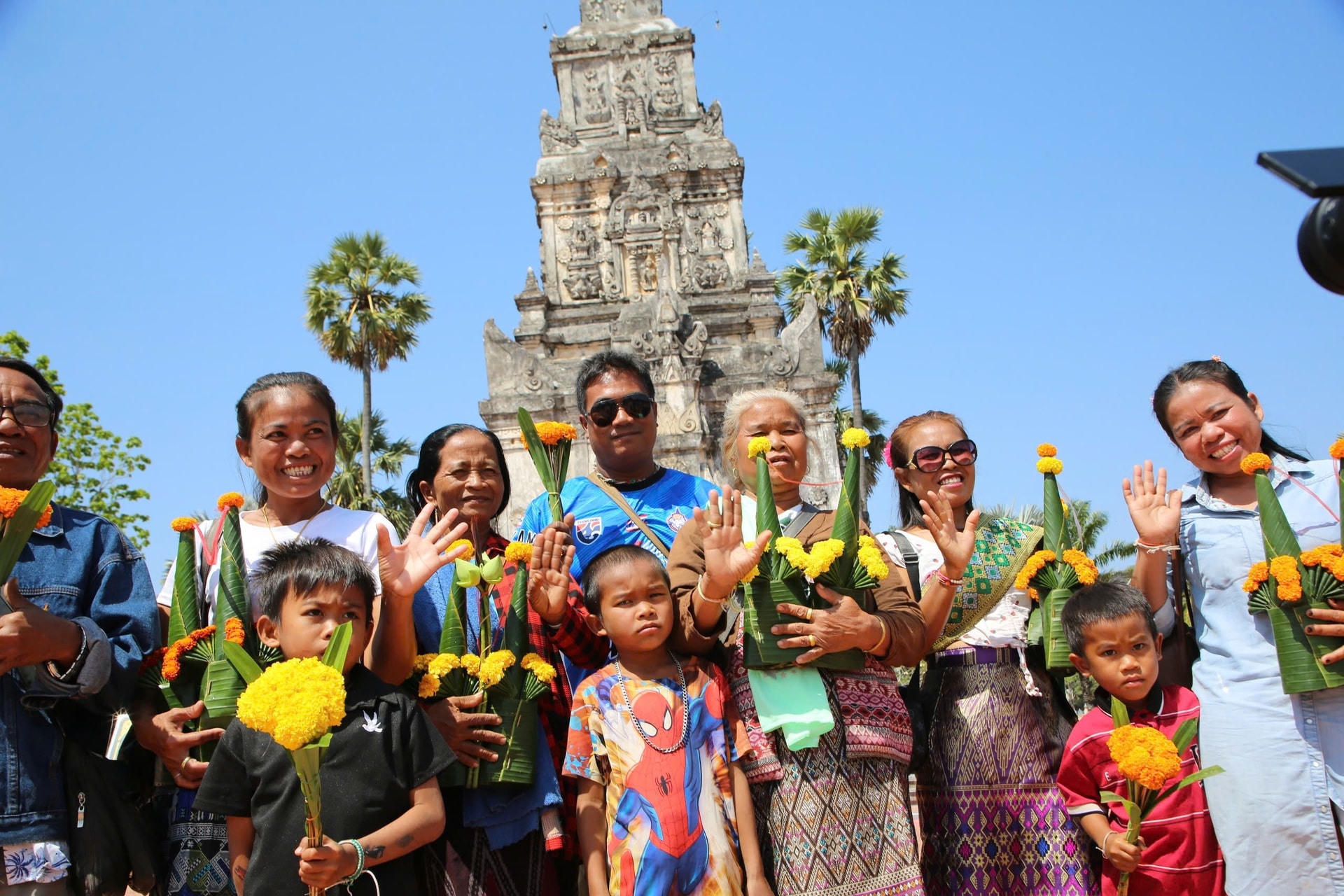
Experts argue that the EWEC could unlock a vast integrated tourism ecosystem connecting central Vietnam, the Central Highlands, southern Laos and northeastern Thailand.
Destinations such as Wat Phou, Khone Phapheng Falls and Si Phan Don in Laos could be linked with heritage hubs like Hoi An, Hue and My Son in Vietnam.
Cao Tri Dung, the Chairman of the Da Nang Tourism Association, noted the market potential of this corridor comes not only from international tourists but also from a large base of intra-regional travelers.
In particular, visitors from the five southern provinces of Laos connected with central and Central Highlands regions of Vietnam are considered a segment with significant untapped potential.
In addition, there is growing demand from travelers in Northeastern Thailand and the Bangkok metropolitan area, as well as international tourists from Europe, Australia, the United States, and the Middle East who are increasingly interested in overland, multi-country travel experiences.
Toward a seamless cross-border travel experience
A range of solutions has been proposed to effectively develop tourism along the EWEC. The top priority is investment in and upgrading of transport infrastructure, particularly National Highways 14D and 14G, which connect Da Nang with Sekong Province.
This route is expected to serve not only as a key freight transport corridor but also to unlock significant potential for cross-border road-based tourism development.
Mr Cao Tri Dung has recommended accelerating digitalization and administrative reform at border checkpoints, alongside promoting initiatives such as a common visa scheme or more flexible entry mechanisms for international tourists traveling along the corridor.
In the longer term, localities are urged to establish a standardized service ecosystem across the entire route, including rest stops, accommodation, dining facilities, and curated travel experiences.
At the same time, stakeholders emphasise the importance of developing specialised tourism products tailored to different market segments, while strengthening joint promotional efforts between Da Nang, Champasak, and provinces in Northeastern Thailand.
This coordinated approach aims to enhance visibility and position the EWEC as a distinctive cross-border tourism route in key global source markets.
If successfully developed, the EWEC could evolve from a trade-focused infrastructure project into a dynamic cultural and tourism spine - connecting some of the region’s most iconic destinations into a single, continuous journey across borders.
.jpg "Da Nang promotes gateway role on EWEC to drive logistics growth")