

![[Video] Highly anticipated competition between Japan and Italy on DIFF 2026’s third night](https://bqn.1cdn.vn/thumbs/540x360/2026/06/12/dsc04457.jpg "[Video] Highly anticipated competition between Japan and Italy on DIFF 2026’s third night")

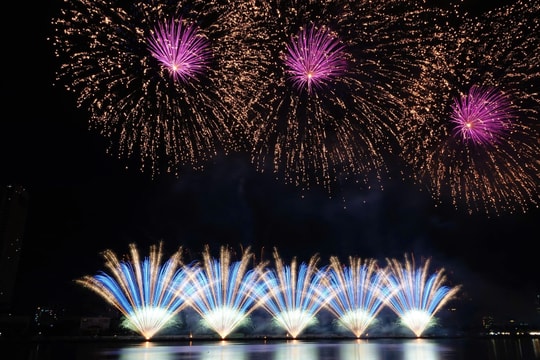
.jpg "DIFF 2026: Second night wows audiences with world-class fireworks displays")
Gửi bình luận
DNO - Opening the third night of the Da Nang International Fireworks Festival (DIFF) 2026 under the theme “Culture” on Saturday, Japan’s Tamaya Kitahara Fireworks team captivated tens of thousands of spectators with a performance deeply rooted in Japanese cultural identity.

As one of Japan’s longest-established fireworks brands, Tamaya Kitahara Fireworks chose to tell a story through light instead of showcasing complex technical effects.
The Japanese team’s display was inspired by the spirit of “wabi-sabi”, a Japanese aesthetic philosophy that emphasizes harmony, balance, and the beauty of simple moments.
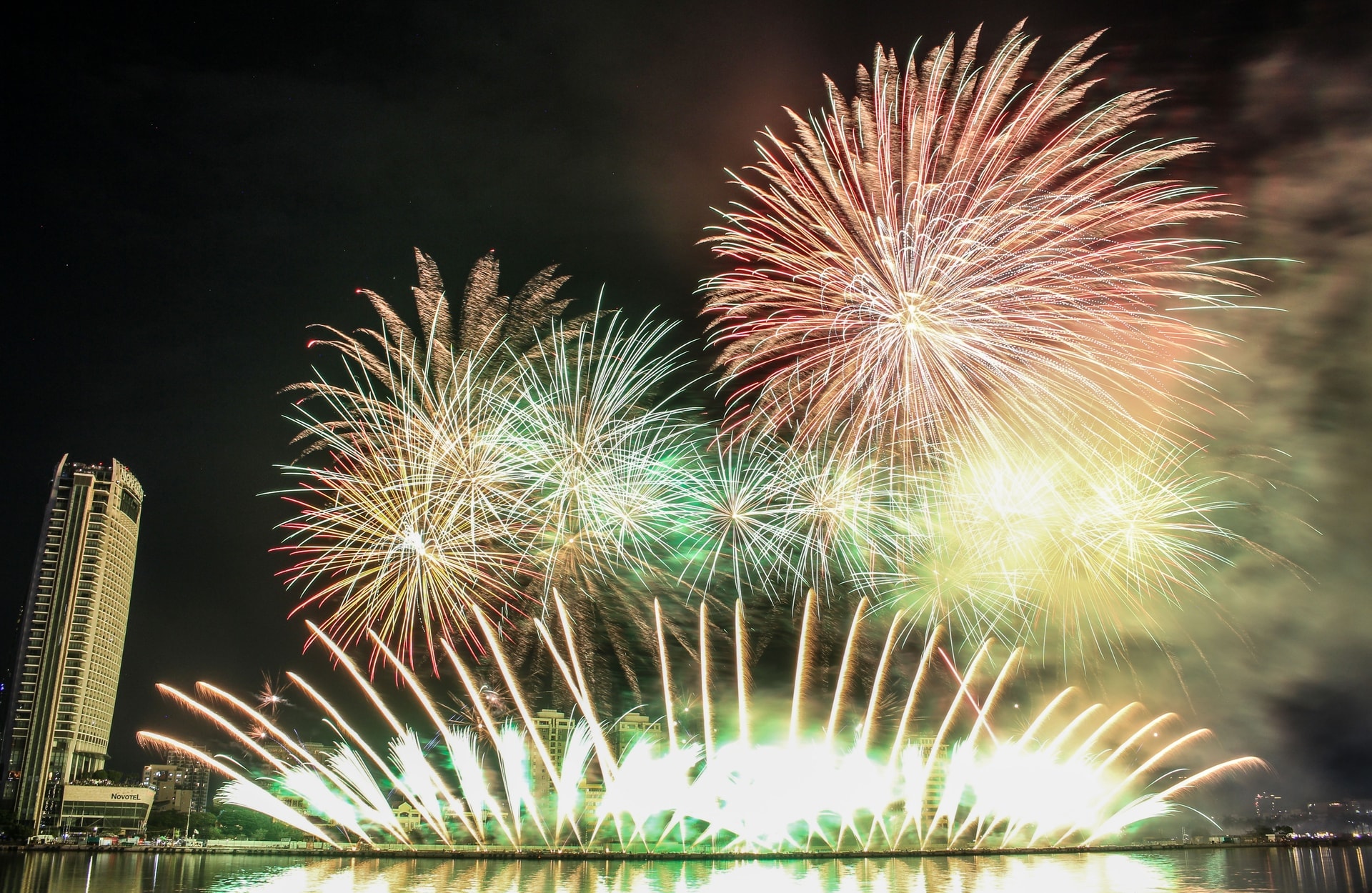
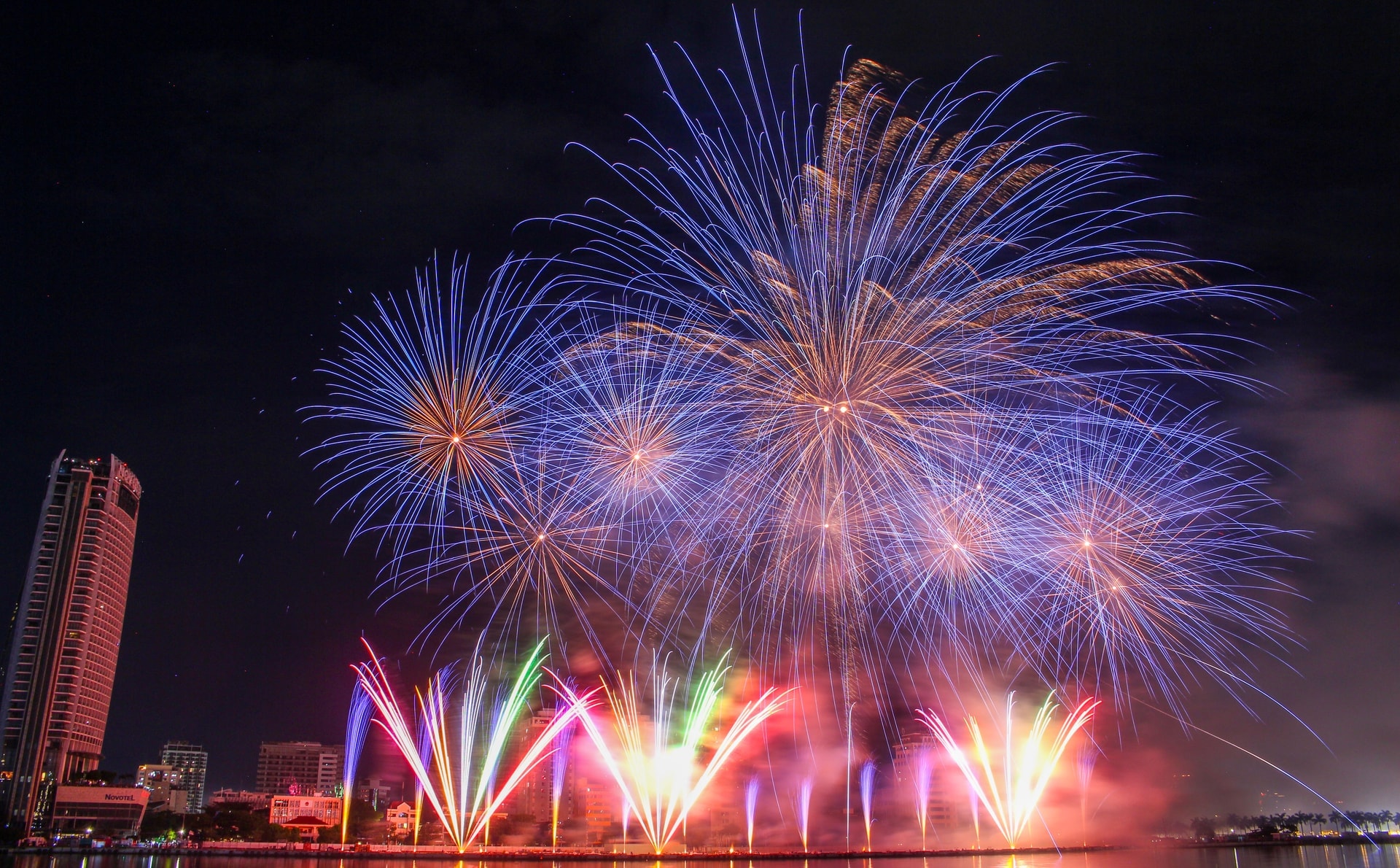
From the very first bursts of fireworks, the team made a strong impression with clusters of single-shot fireworks launched from the water’s surface, blooming in the sky in perfect rhythm with the accompanying music.
Instead of using numerous water-based fireworks or elaborate visual effects, the performance focused on near-perfect synchronization between sound, light, and emotion.
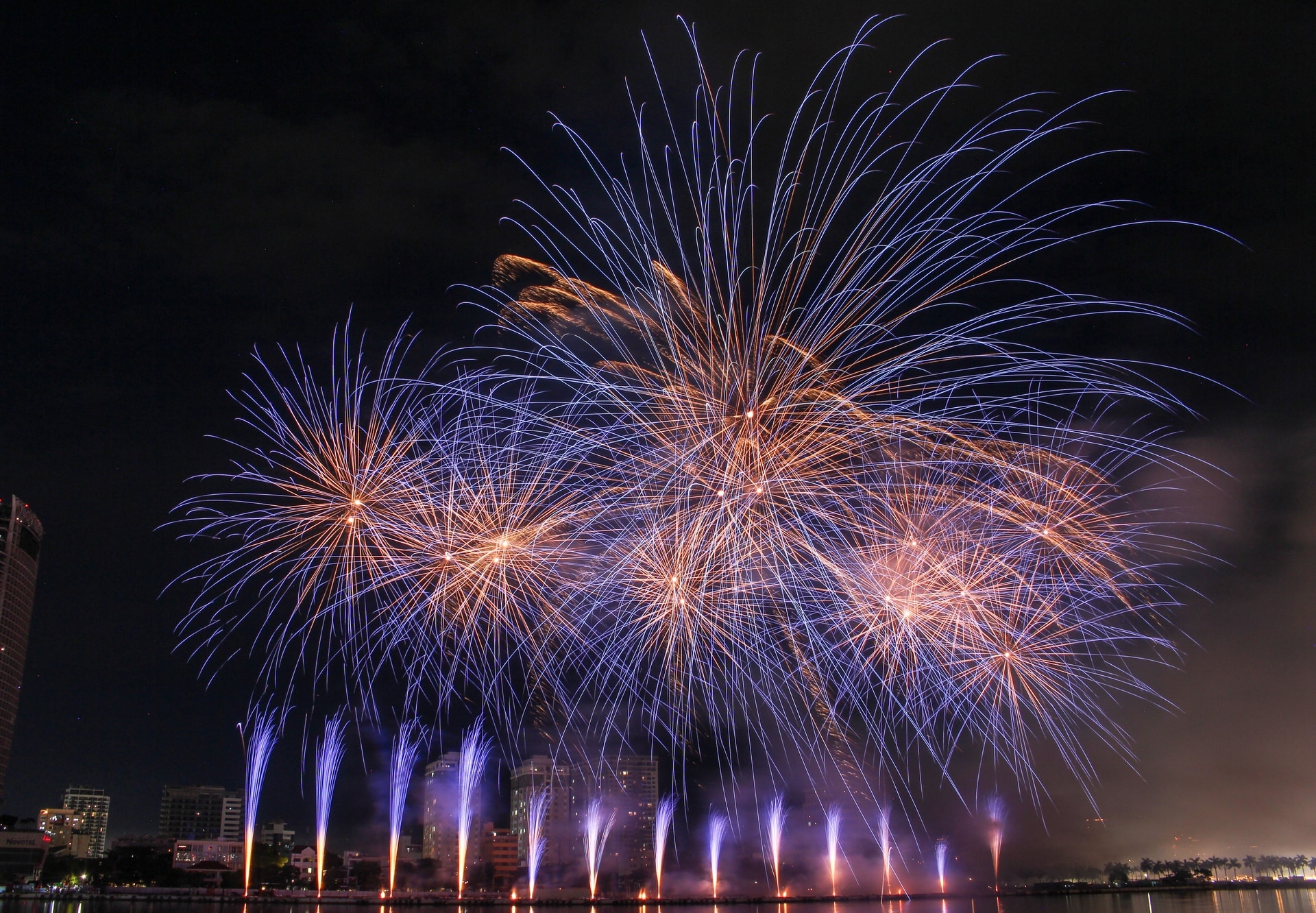
According to Mr. Naganuma Keisuke, leader of the Japanese team, the team’s goal was to deliver a performance that audiences could instantly recognize as distinctly Japanese.
The restrained staging style, combined with exceptional precision and synchronization, created a unique identity for the display.
The most impressive highlight came at the end with the use of Kamuro fireworks, a type of fireworks commonly featured in major fireworks festivals across Japan.
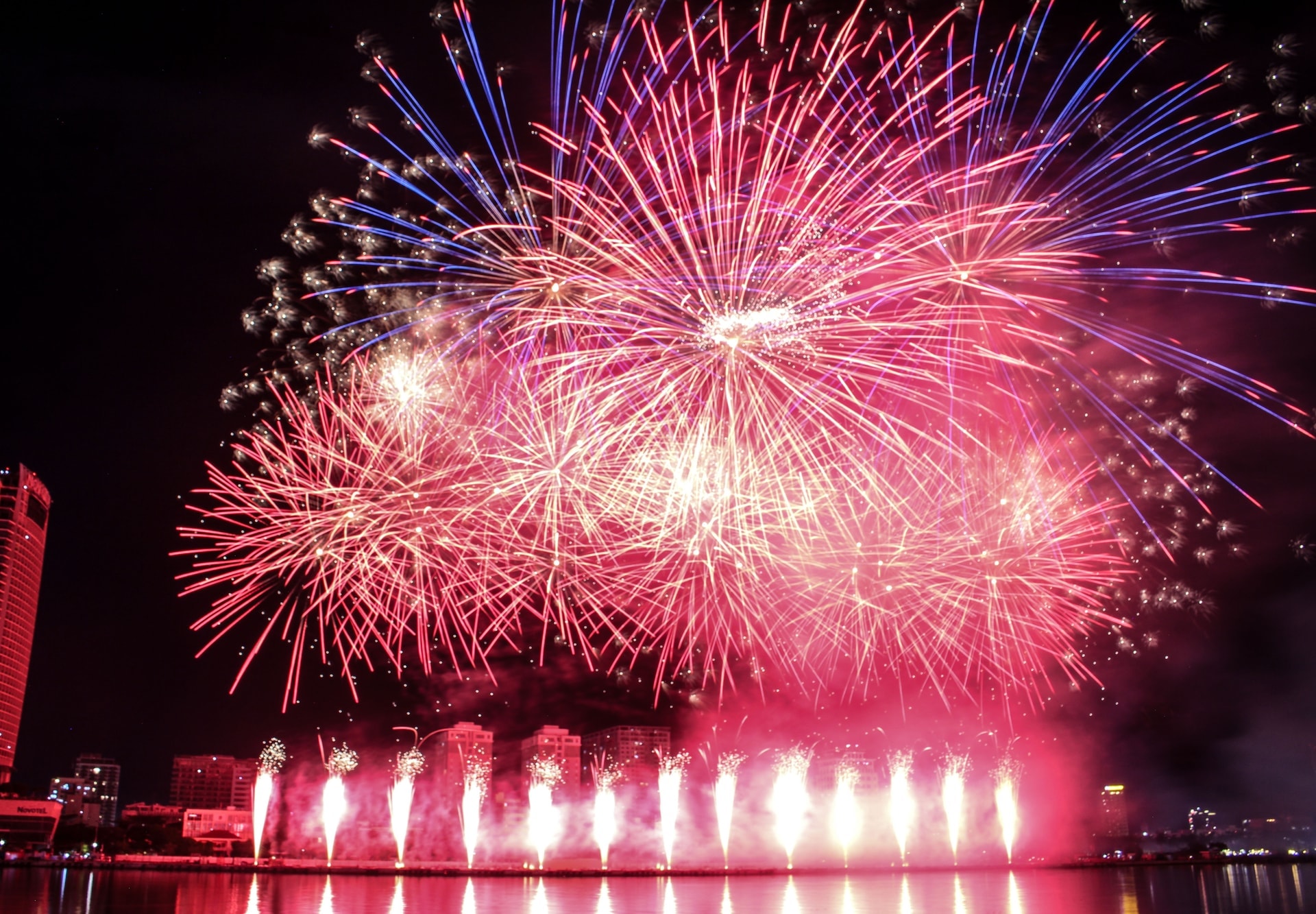
As the fireworks burst overhead, their golden trails did not fade immediately but instead burned slowly, cascading gently downward like a curtain of light that blanketed the sky above the Han River.
The breathtaking spectacle not only dazzled spectators but also evoked a sense of reflection and emotion.
The combination of precisely programmed fireworks synchronized to the music and familiar hit songs transformed Japan's performance into a true “concert of light”.
Each segment created a strong connection with the audience, especially young people, perfectly reflecting the spirit of cultural exchange that the competition night sought to celebrate.
As the Japanese team had promised ahead of the event, the performance did not focus on grandeur or extravagance. Instead, it won over the audience through elegance, precision, and its remarkable ability to forge an emotional connection.