
![[Infographic] What’s on in Hoi An for Tet 2026](https://bqn.1cdn.vn/thumbs/540x360/2026/02/01/1.jpg "[Infographic] What’s on in Hoi An for Tet 2026")
Gửi bình luận
DNO - If the distinctive identity of its homestay community can be restored, Da Nang could possess a unique “kingdom” of homestays stretching from the highlands to the urban center and even the islands, something few other destinations can match.
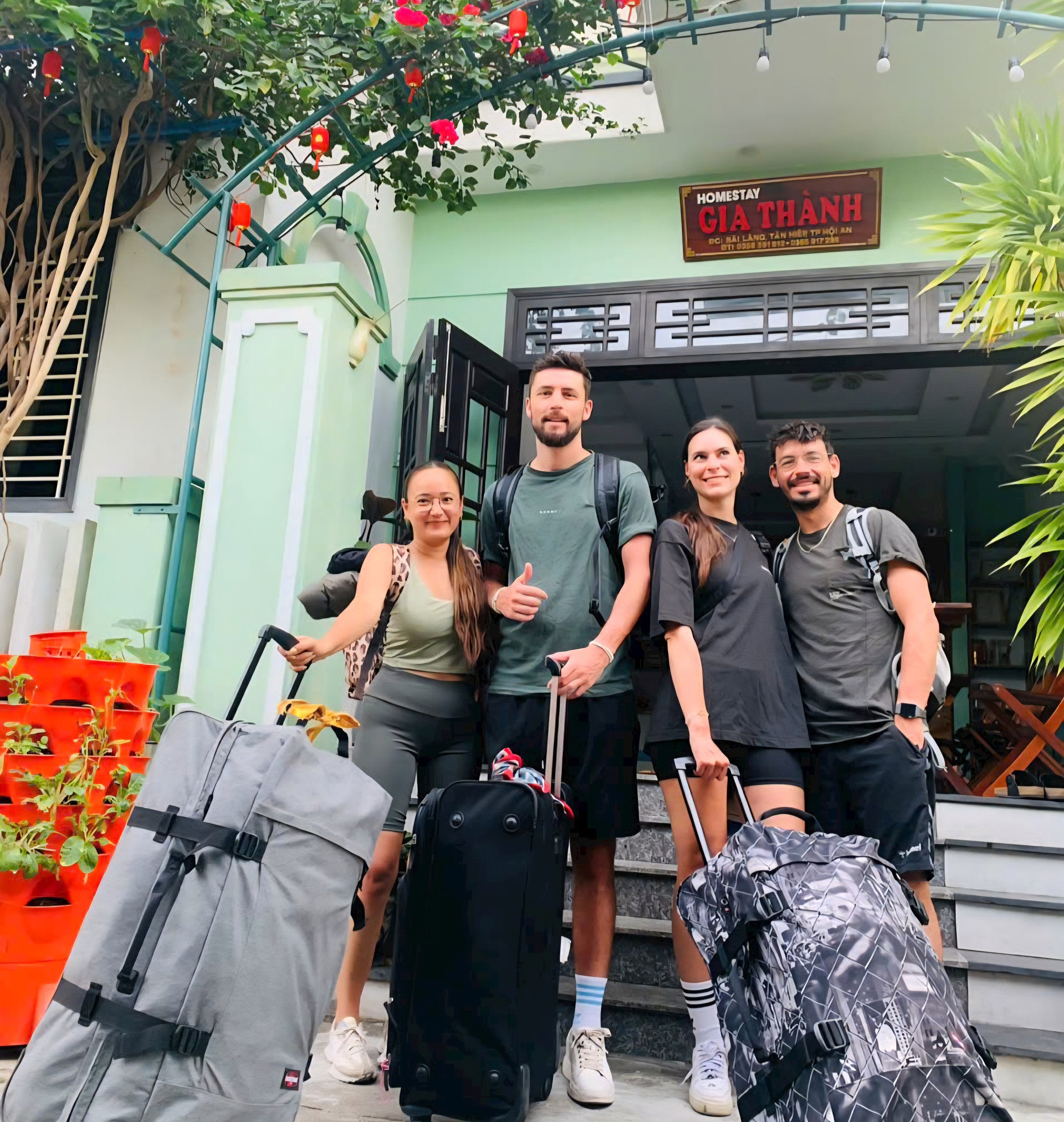
In the Hoi An Ancient Town, the first homestays emerged in the late 1990s, aligned with the local authorities’ strategy to promote community-based tourism. This form of “staying with local families” quickly gained strong appeal, contributing significantly to Hoi An’s rise as a favorite destination among international visitors after it was recognized by UNESCO as a World Cultural Heritage Site in 1999.
The reputation of Hoi An’s homestays reached international acclaim when the Thanh Nam homestay cluster received the ASEAN Homestay Award at the ASEAN Tourism Forum in 2017. The An Bang coastal fishing community also won the ASEAN Tourism Award for the 2016 - 2018 period in the category of "Group of households with houses offering rooms for tourists to rent". This period can be considered the golden age of homestays in Hoi An, with more than 300 establishments operating by 2018.
For many visitors, their lasting impression is the gentle way of life and hospitality of the people of Quang land. This is a crucial factor enabling homestays to survive and attract guests who choose to “stay with local families”. In addition to the wards of Hoi An, Hoi An Dong, and Hoi An Tay, Da Nang now stands before the opportunity to form a distinctive homestay network stretching from islands to highland forests.
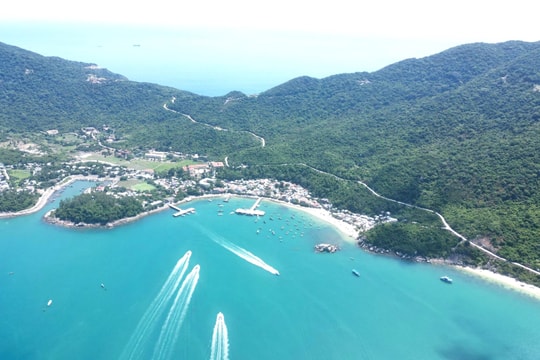
The Cham Islands (named locally as Cu Lao Cham) is perhaps the area where the homestay model is currently most effectively developed in Da Nang. Nearly 50 homestays on Lao Island also serve as local residents’ homes, and their rustic, authentic coastal character has charmed visitors who share meals and daily life with island families.
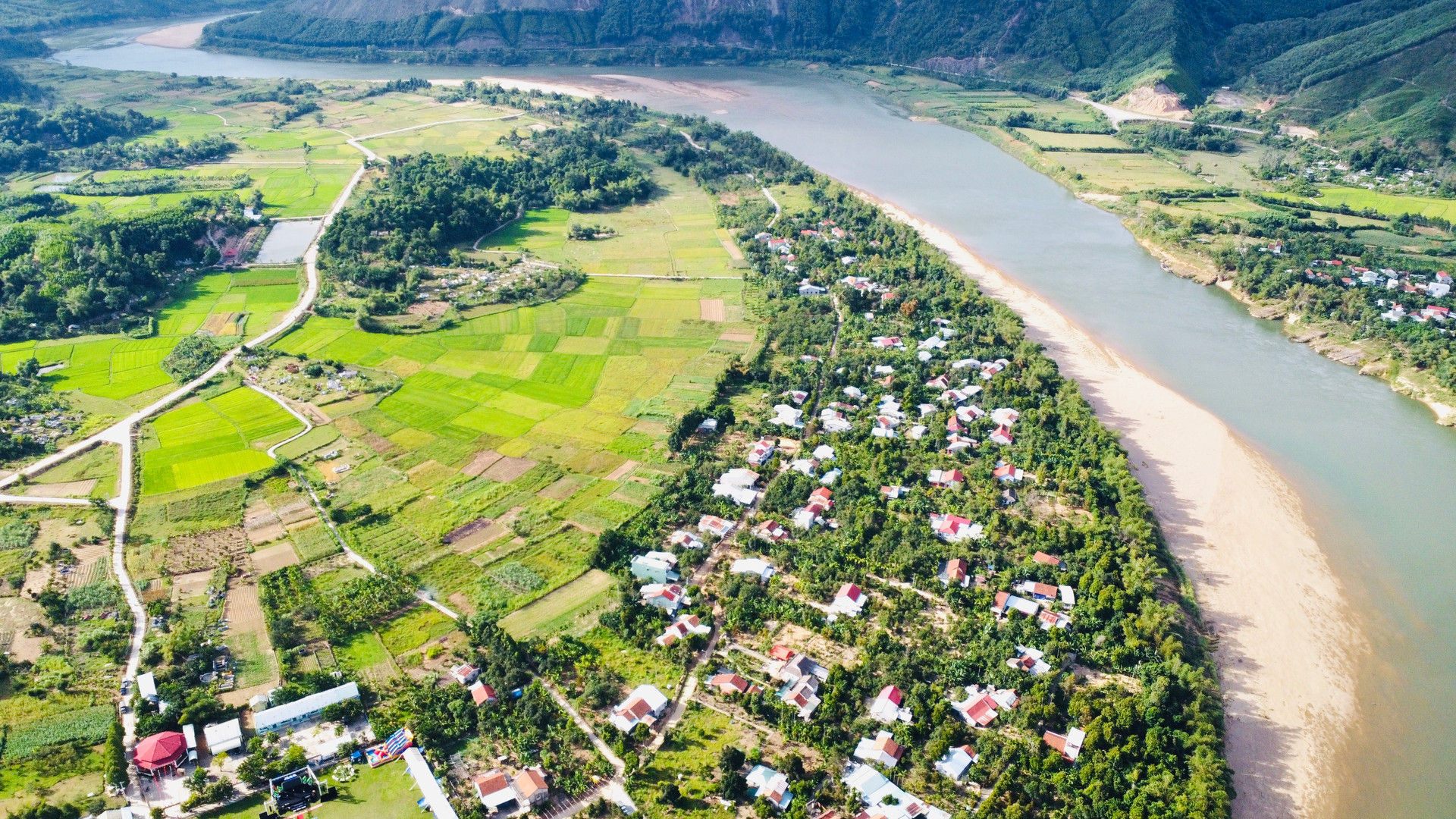
Most community-based tourism destinations in Da Nang have established basic, standardized homestays to meet the needs of tourists. Notable examples include Hoa Bac (Hai Van Ward), Cam Phu (Go Noi Commune), Dai Binh (Trung Phuoc Commune), Bho Hoong (Song Kon Commune), and Tak Po (Tra Tap Commune), all associated with distinctive eco-cultural tourism products.
Although revenue from homestays is modest compared to other forms of accommodation, the key value lies in the equitable distribution of benefits within the community. Homestays are also environmentally friendly, minimizing the risk of disrupting the natural ecosystem of a destination and, more broadly, the traditional village structure.
In the current trend, as some responsible tourism markets seek authentic local experiences, homestays still have room for growth. The essential task is for Da Nang’s homestays to restore and preserve their identity “staying with local families” and integrate closely with destinations’ experiential product chain. With a network of homestays stretching from highland forests to urban areas and even to the islands, the aspiration of building a true homestay “kingdom” is far from unattainable.
![[E-Magazine] International visitors experience Vietnamese Tet in Da Nang](https://bqn.1cdn.vn/thumbs/540x360/2026/02/18/anh-dai-dien_01(1).jpg "[E-Magazine] International visitors experience Vietnamese Tet in Da Nang")