

Gửi bình luận
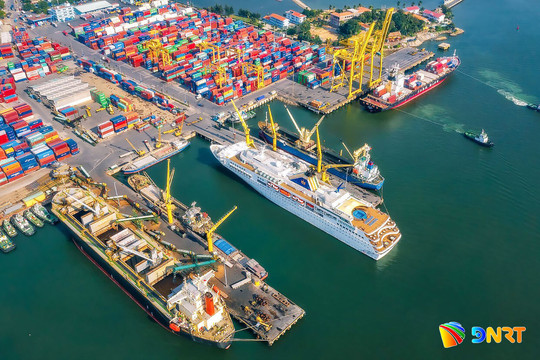
DNO - Da Nang is focusing on building and completing an integrated multimodal logistics ecosystem, aiming to become a major logistics hub in the Central and Central Highlands regions, as well as the gateway to the East-West Economic Corridor (EWEC).
After merging with Quang Nam Province in 2025, Da Nang brings together five modes of transport, including three seaports and two international airports. These offer the city outstanding advantages for logistics development. Therefore, Da Nang plans to build a network of 15 logistics centers in accordance with a hub-gateway-satellite transport model.
In the northern side of the city, the Lien Chieu - Da Nang cluster will place Lien Chieu Port as its core, connecting with Kim Lien Railway Station, the Free Trade Zone (FTZ), the Hi-Tech Park, and Da Nang International Airport.
In the south, the Chu Lai - Tam Ky cluster will place the Chu Lai National Logistics Center as its core, linking with the Chu Lai port cluster, Chu Lai Airport, and the system of industrial parks and economic zones.
Furthermore, these two clusters will be connected via the Dien Ban - South Hoi An - Thang Binh area, and will simultaneously expand the cargo consolidation network to the Central Highlands, Southern Laos, and markets along the EWEC.
Additionally, Da Nang possesses several favorable conditions to become an integrated multimodal logistics hub, connecting the Central and Central Highlands regions with Laos, northeastern Thailand, and regional markets.
In fact, the city is located on the north-south transport axis, a maritime gateway to the EWEC, alongside its system of seaports, airports, roads, railways, industrial parks, economic zones, and the Free Trade Zone.
With the scheme of building an integrated multimodal logistics center, Da Nang identifies four key market regions: Da Nang; Hue - Quang Tri - Quang Ngai; the Central Highlands; and southern Laos - northeastern Thailand.
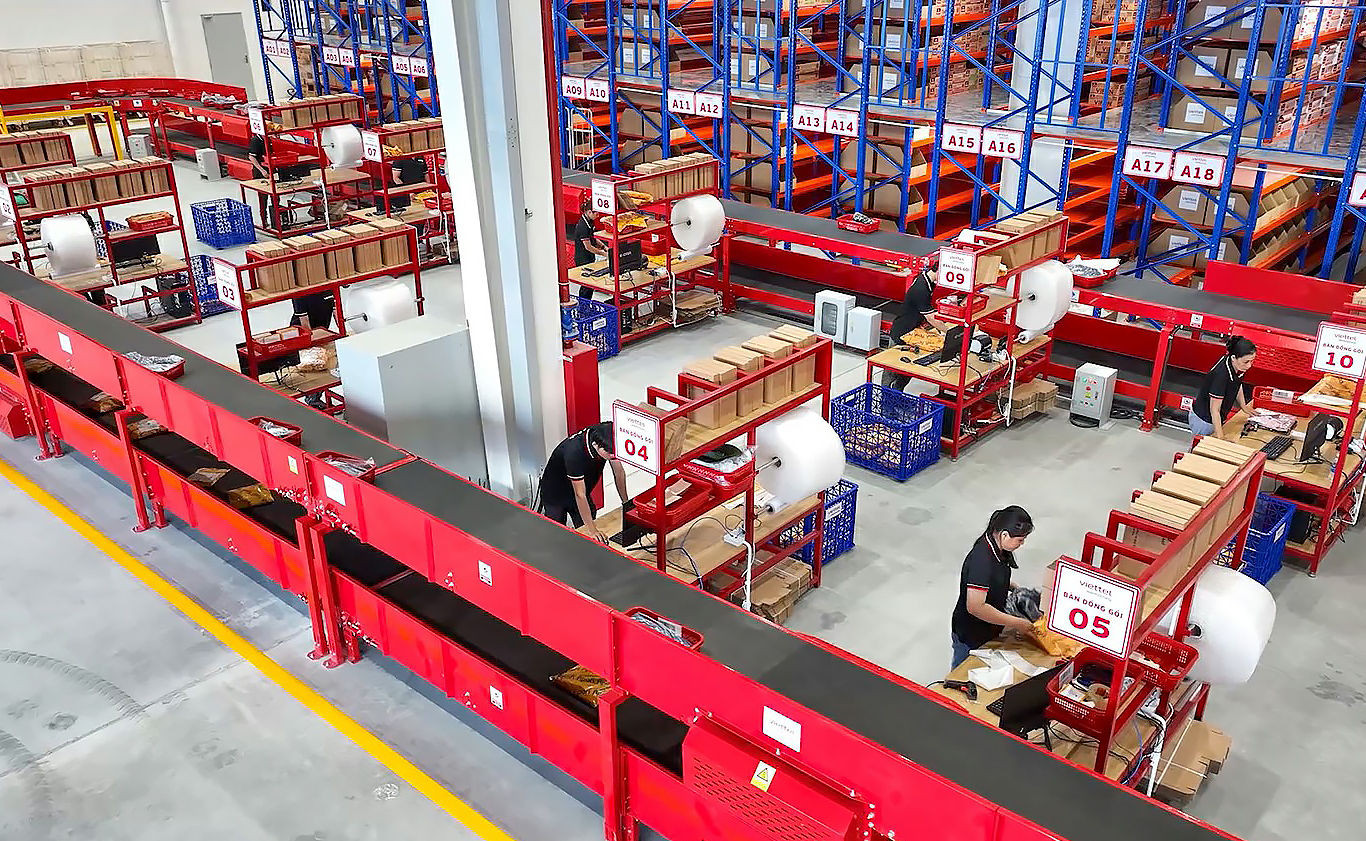
Viettel Post Joint Stock Corporation (Viettel Post) officially put the Viettel Da Nang Logistics Center into operation on November 10, just over a year after its breaking ground.
The center spans over 8.6 hectares in Lien Chieu Industrial Park, including 39,300 square meters of warehousing and auxiliary infrastructure.
It is therefore oriented to become a transit hub connecting cargo flows between the Central and Central Highlands regions and both domestic and international markets.
Located approximately 1km from Lien Chieu Port and directly connected to National Highway 1, Tien Sa Port, and Da Nang International Airport, the Viettel Da Nang Logistics Center holds a strategic advantage in the logistics chain.
It serves as a consolidation hub for goods from regional production zones and from Laos via the Lao Bao Border Gate prior to port export, while also receiving and distributing goods to domestic consumption centers.
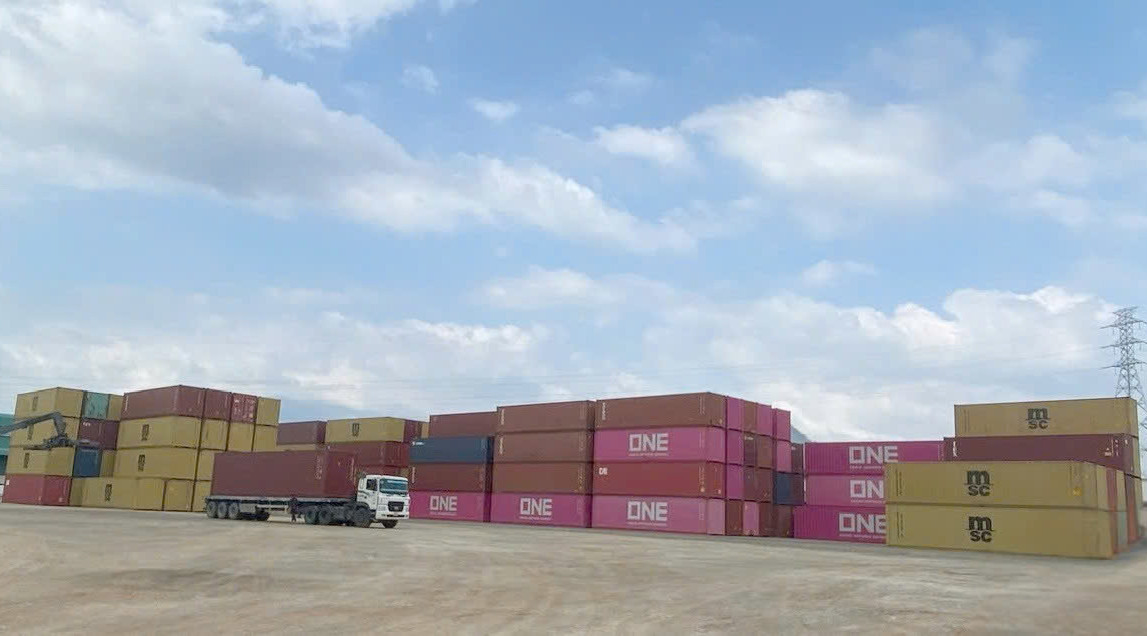
Affirming the significance of the Viettel Da Nang Logistics Center, the Da Nang People's Committee expects the center's establishment to add a critical link in the city's roadmap for modernizing trade infrastructure.
Da Nang leaders urged Viettel Post to operate professionally and strengthen deep connections with the business community across industrial parks, economic zones, and key production facilities in central Vietnam to generate effective, tangible cargo volume.
According to experts, alongside the development of the Vietnam International Financial Center in Da Nang, as well as the advancement of trade, high-tech industries, and emerging economic sectors, Da Nang needs to accelerate a modern logistics system capable of meeting the demands of this new phase of development.
The Vietnam logistics services development strategy for the period 2025 - 2035, with a vision to 2050, has been approved under Decision No. 2229/QD-TTg, opening up major opportunities for Da Nang to become a logistics hub connected to key economic corridors.