
Gửi bình luận
DNO - Da Nang aims to become an environment-friendly and smart city by placing responsible business practices at the core of its green and sustainable growth strategy.

On October 24, Da Nang hosted a seminar on responsible business conduct (RBC) in the global green economy, co-organised by the city’s Union of Friendship Organisations, Vietnam Chamber of Commerce and Industry (VCCI) Central-Highlands, and Catalyst+ Vietnam, bringing together policymakers, experts, and businesses to promote sustainable growth.
Fostering responsible business
According to VCCI, more Da Nang enterprises are embracing greener operations.
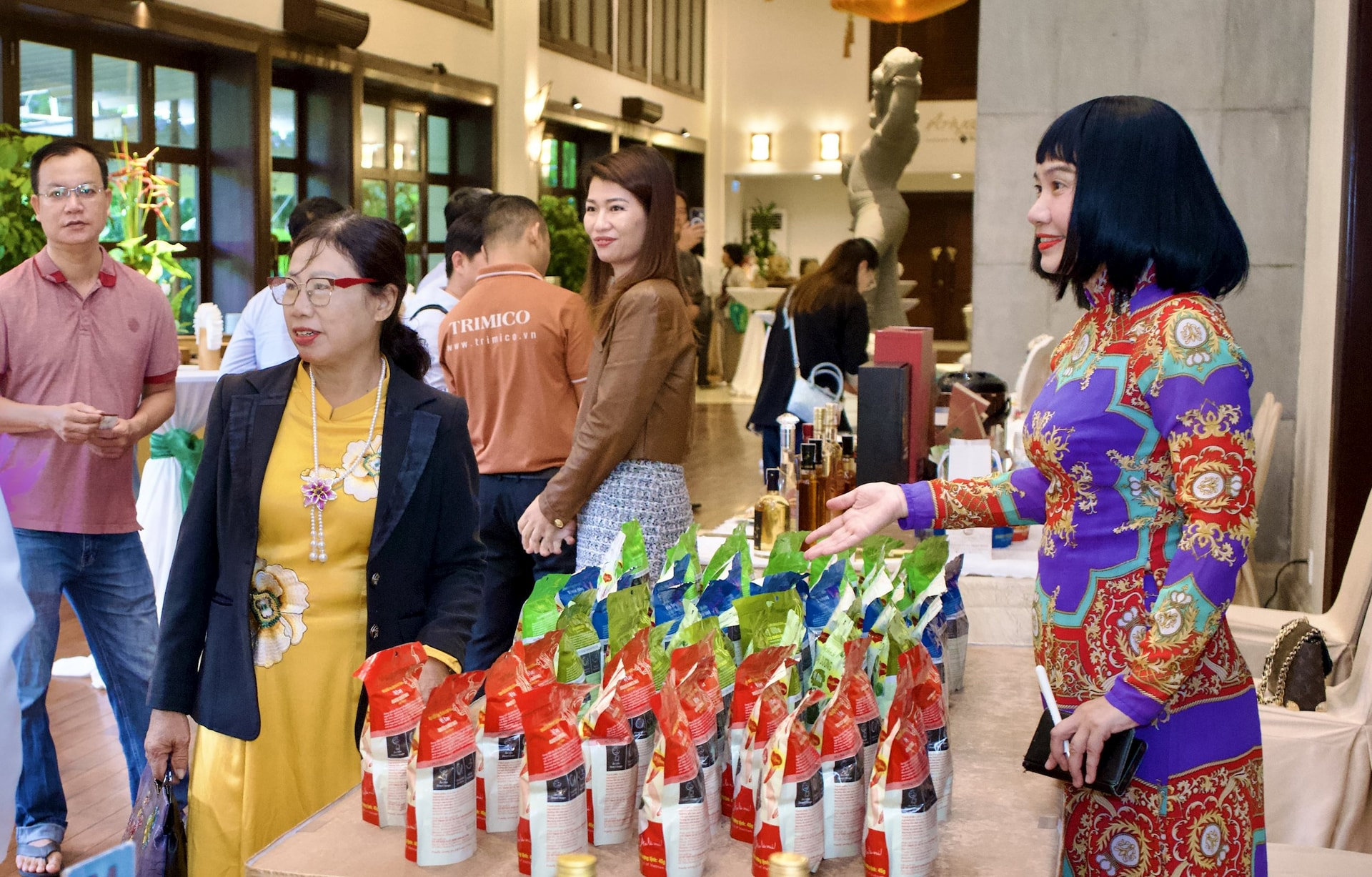
According to Nguyen Thi Kieu Anh, Director of the Go Noi Green Agriculture Cooperative, the cooperative follows a circular farming model, turning byproducts from essential oil production into fertiliser to eliminate waste.
Hoa Tho Textile - Garment Joint Stock Corporation CEO Nguyen Thi Thu Trang affirmed its core value of responsible business. From 2020 to 2024, the company cut electricity use, coal, and firewood consumption significantly and plans a 5,500 kWp rooftop solar project by 2025 to further reduce emissions and reuse wastewater.
Public-private partnerships for green growth
At the seminar, Do Thi Quynh Tram, Deputy Director of Da Nang’s Department of Industry and Trade, said the city is implementing programmes to promote responsible business and green development. These focus on smart cleaner production, energy efficiency, responsible trade, sustainable supply chains, and quality control.
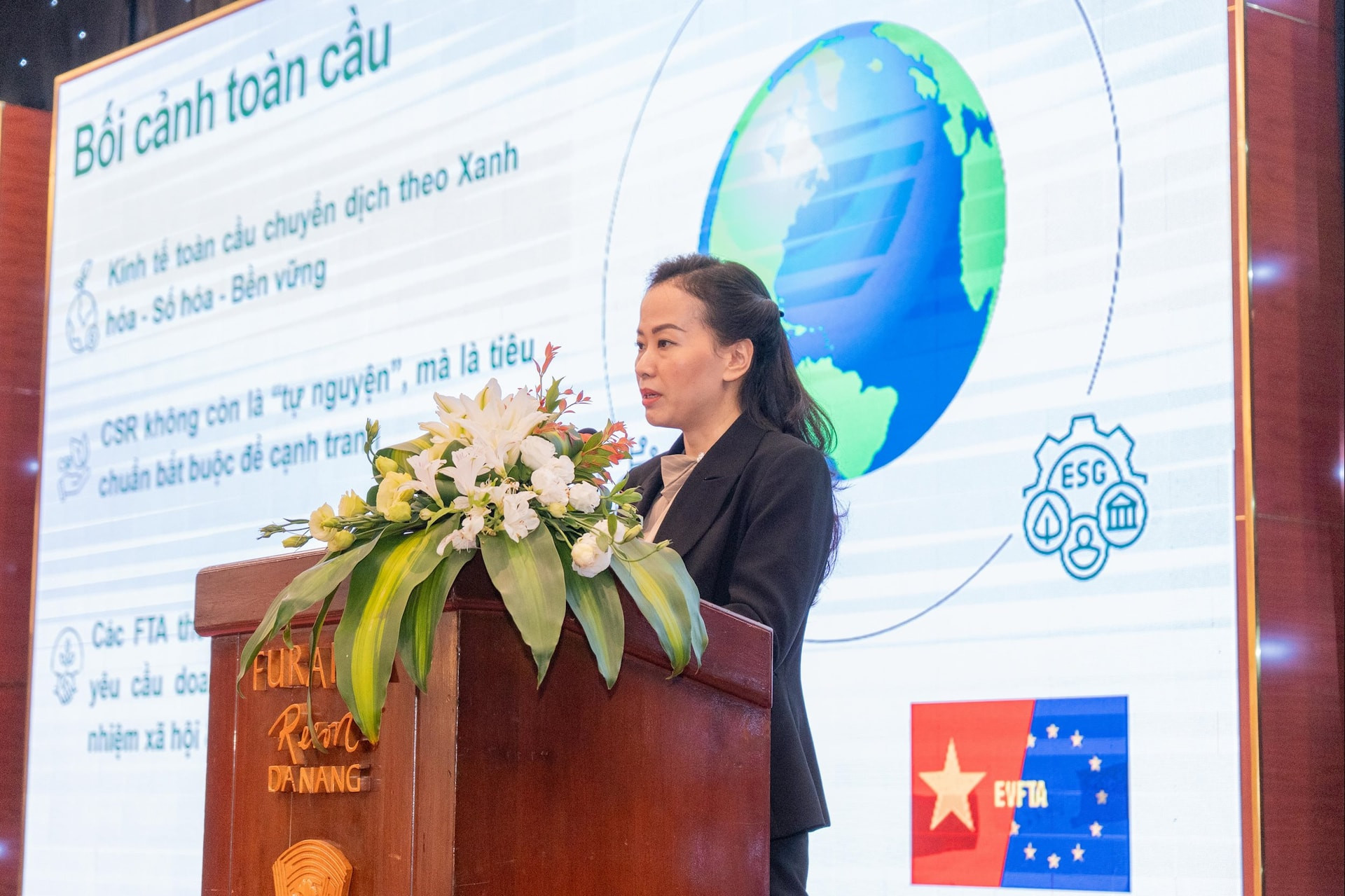
Reportedly, many major firms, especially in textiles, seafood, food, and electronics, are investing in energy-saving and wastewater treatment systems, reflecting Da Nang’s shift toward a low-emission economy.
Policy momentum for green transformation
Da Nang is streamlining procedures, digitising licensing, and offering incentives for green technology, digital transformation, and innovation. Regular public - private dialogues help address business challenges and strengthen cooperation.
The city is implementing the project named Da Nang Creating Confidence in Vietnamese Goods Made in Da Nang, which includes brand certification, digital product passports, and a public-private-community partnership (PPD) model to better align policy with business realities.
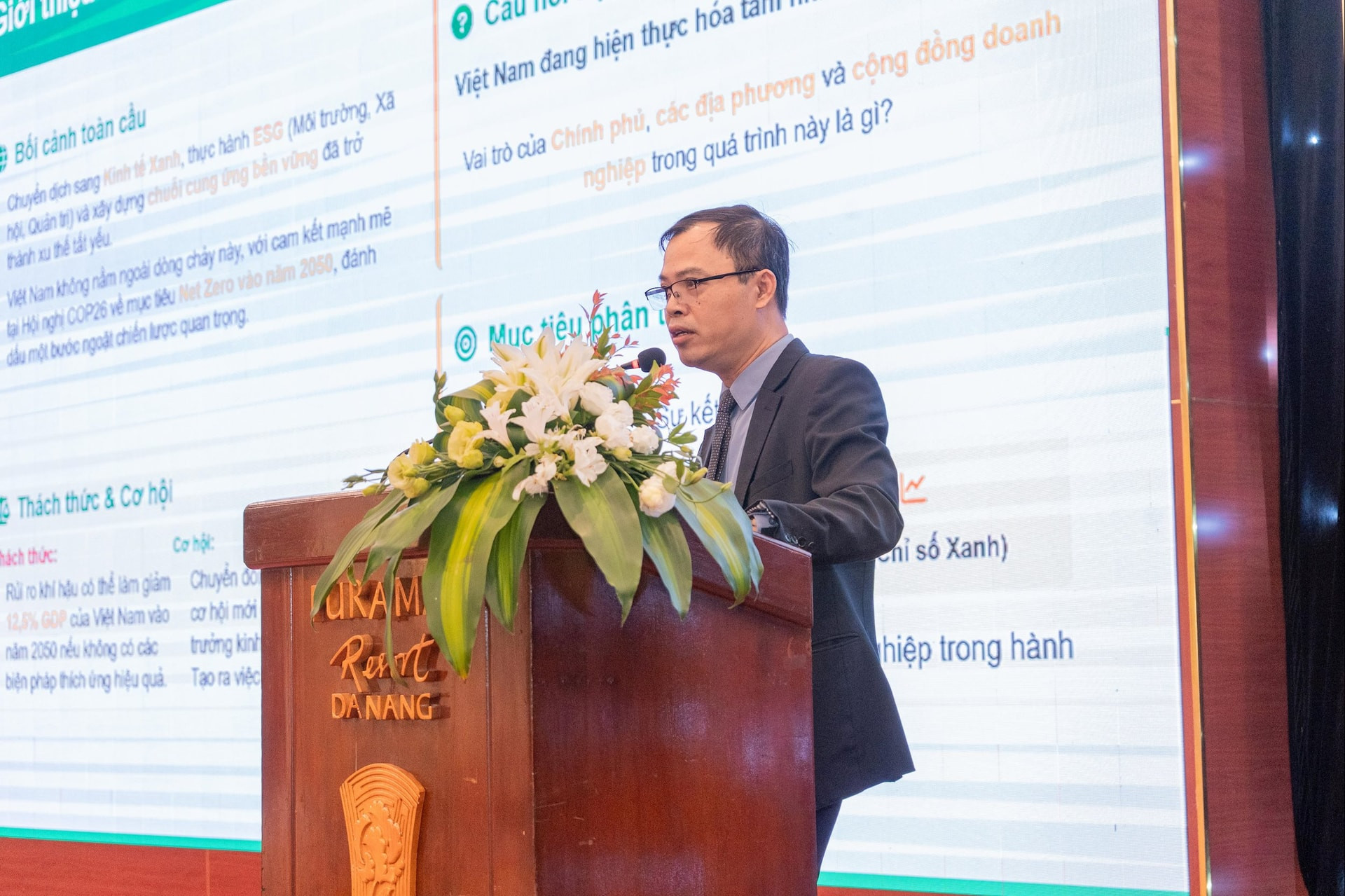
At the seminar, Pham Ngoc Thach from VCCI emphasised that RBC and ESG (Environmental, Social, and Governance) are now essential for competitiveness and sustainable growth, urging firms to adopt green technologies and circular models.
International partners such as the International Labour Organization and Catalyst+ Canada also shared global practices supporting inclusive green transitions.