Gửi bình luận
DNO - In an effort to transform itself as an attractive destination for investors, Da Nang is accelerating the implementation of strategic projects, as well as developing new urban spaces to create fresh momentum for economic growth.
Accelerating progress of strategic pillars
In January 2026, the office of the Executive Agency of the Vietnam International Financial Center in Da Nang welcomed and worked with numerous delegations of partners and investors from various countries. Many of them showed their keen interest in the development of the financial center.
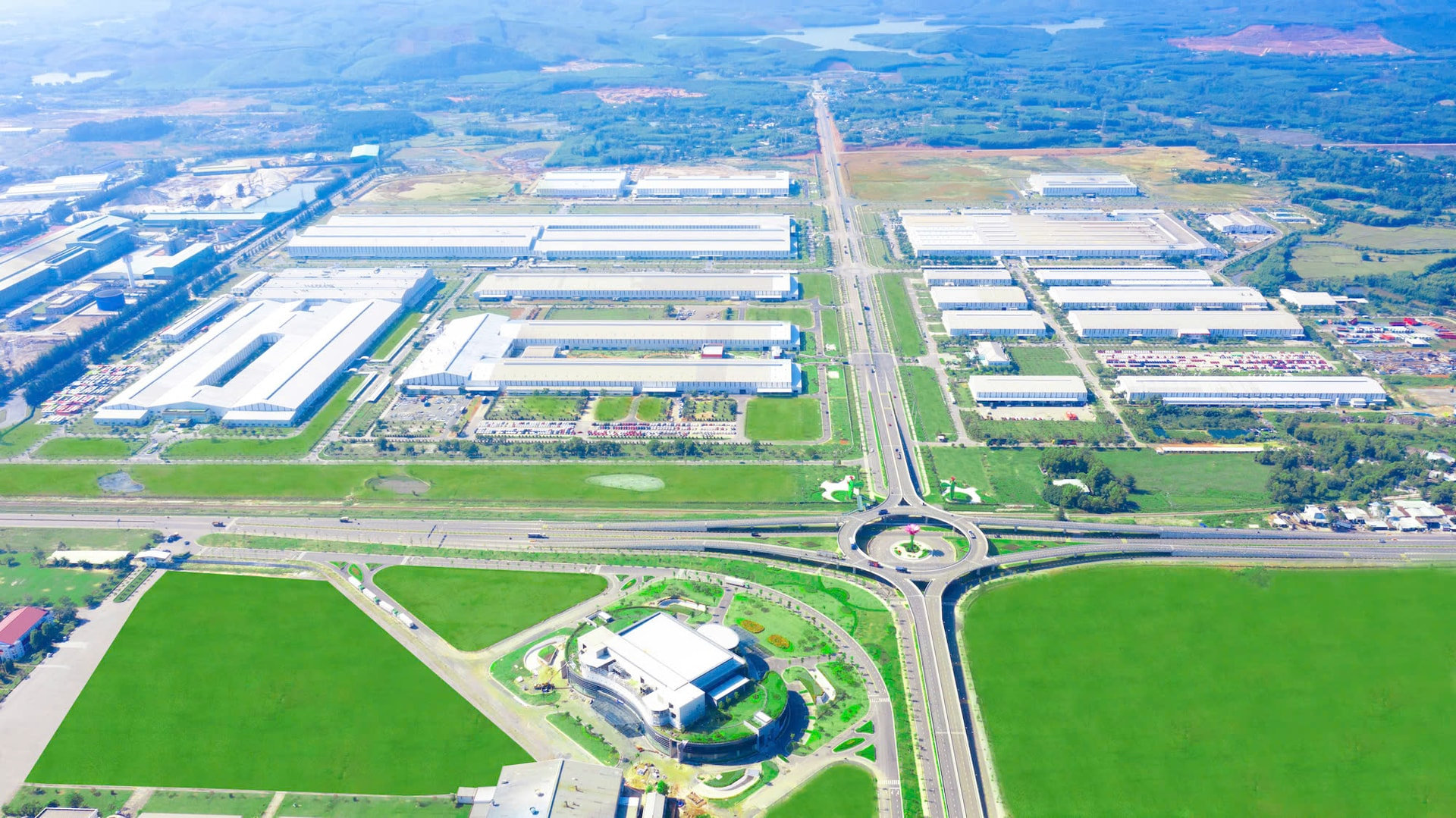
In addition to the financial center, the Da Nang Free Trade Zone is currently undergoing detailed planning, site clearance, and preparations for infrastructure investment.
According to the Management Board of the Da Nang High-Tech Parks and Industrial Zones - the administrative authority of the Free Trade Zone, the city has proactively signed seven memoranda of understanding with major corporations at key locations: location 1 (100ha), location 2 (77ha), location 3 (500ha), location 4 (559ha), location 5 (90ha), location 6 (154ha), and location 7 (401ha).
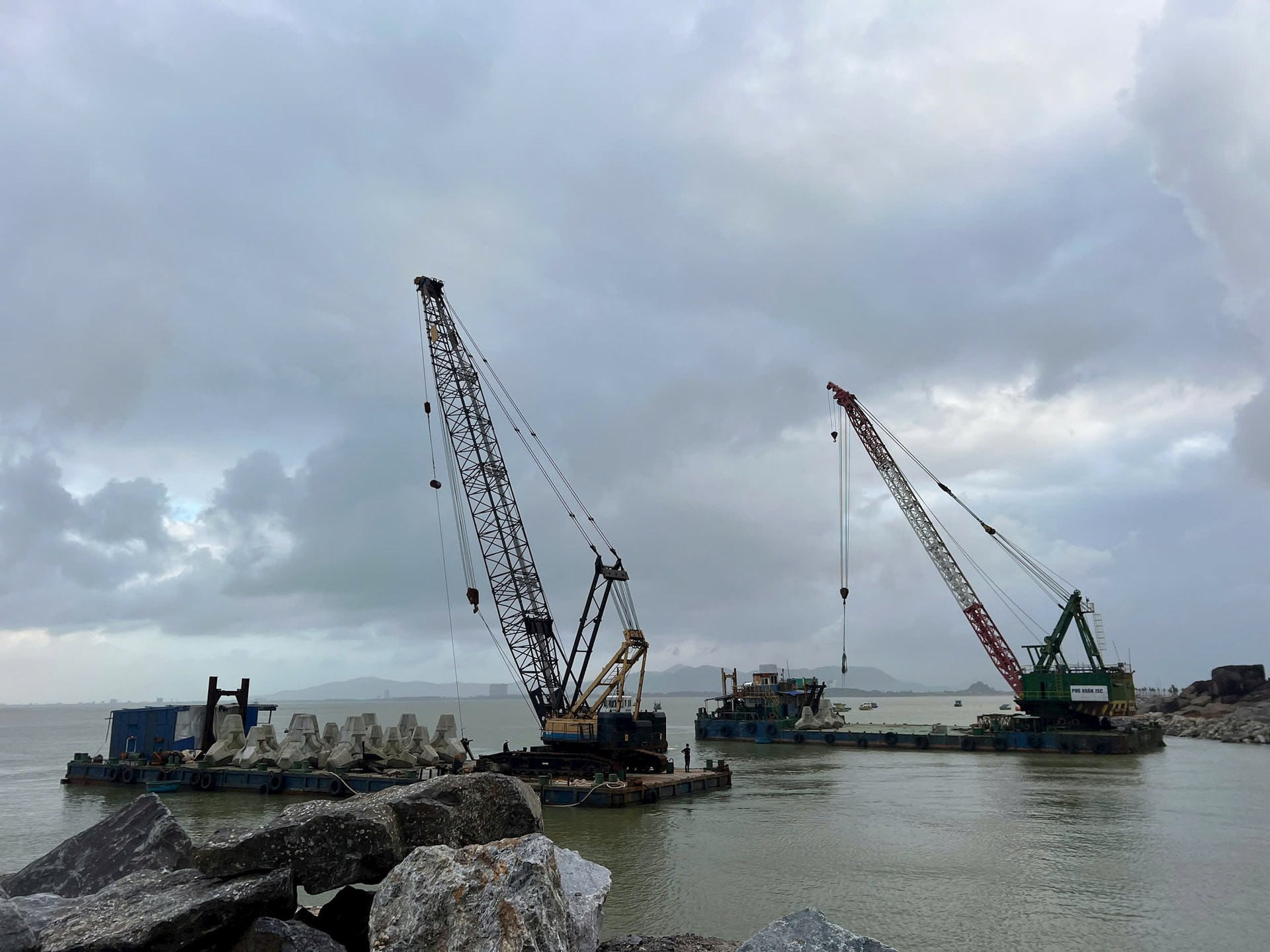
Simultaneously, the city is speeding up the progress of the Lien Chieu Port and the Western Ring Road projects, and regional transportation routes to enhance logistics capacity.
A multifunctional, modern city
According to the municipal Department of Construction, Da Nang's development orientation is defined by a vision of becoming a national and regional growth pole with a strong transition from a tourism-oriented city to a modern, multifunctional urban center. This transformation is anchored on three core pillars: hi-tech, logistics, and international finance.
Da Nang strives to become one of Asia’s leading livable, safe, and modern cities whilst maintaining its position as “Asia’s Leading Festival and Events Destination” and serving as a gateway to explore world heritage sites in Central Vietnam such as Hue, Hoi An, and My Son.
Director of the municipal Department of Construction Nguyen Ha Nam stated that Da Nang will implement a strategy to connect and develop the eastern side and expand westward through catalyst projects.
Specifically, a high-speed urban rail system (MRT & LRT) is planned to connect key locations including Da Nang International Airport - Hoi An Ancient Town route; the Da Nang - Hoi An route spanning over 31km; and the Hoi An - Chu Lai Airport route stretching 70km with total estimated investment of VND 111.6 trillion.
Meanwhile, the international airport system will be expanded, with Da Nang International Airport upgraded to handle up to 30 million passengers per year by 2050. Chu Lai Airport is envisioned as an aerotropolis - an “airport city” integrating logistics, industrial, commercial, and free trade zone functions.
Regarding seaports, the Da Nang Port will be developed into a special-class seaport (Class IA) with three main terminals: Tien Sa, Tho Quang, and Lien Chieu. At the same time, the Chu Lai port cluster will be planned as a Class I port.
In terms of telecommunications infrastructure and international connectivity, the city will upgrade the Hoa Hai submarine optical cable landing station and invest in a second station connected to the ALC cable route, scheduled to begin operations in the second quarter of 2026. The goal is to expand international connectivity capacity to account for 40% of Vietnam’s total capacity.
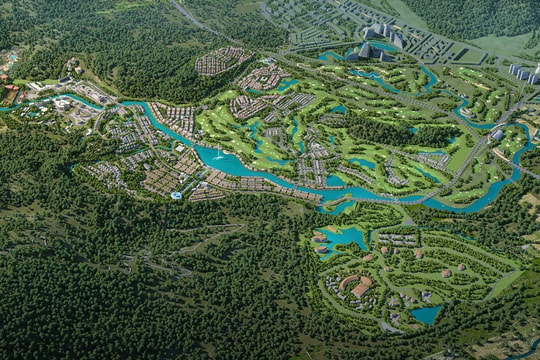
At the same time, Da Nang is developing key economic zones. These include the new urban area south of Hoi An where large-scale urban, service and resort complexes such as Binh Minh, Duy Hai, and Duy Nghia are planned, covering thousands of hectares.
The Chu Lai Open Economic Zone is positioned as an international transport hub and a gateway to the East Sea for the Central Highlands, Laos, Cambodia, and Thailand.
The Nam Giang Border Economic Zone is set to become an important gateway connecting with Southern Laos and Northeastern Thailand, with a focus on industrial development linked to border trade services.
“The ultimate goal of Da Nang’s urban planning is to create a high-quality living space and a transparent investment environment, where infrastructure goes one step ahead to pave the way for major capital flows, enabling Da Nang to achieve its development goals by 2045” Director of the municipal Department of Construction Nguyen Ha Nam stated.