
Gửi bình luận
DNO - The Da Nang administration has approved a VND7.7 billion (about US$300,000) project to develop a digital tourism model for Cu Lao Cham (Cham Islands), aiming to strengthen visitor management, improve destination monitoring and expand digital experiences for tourists.
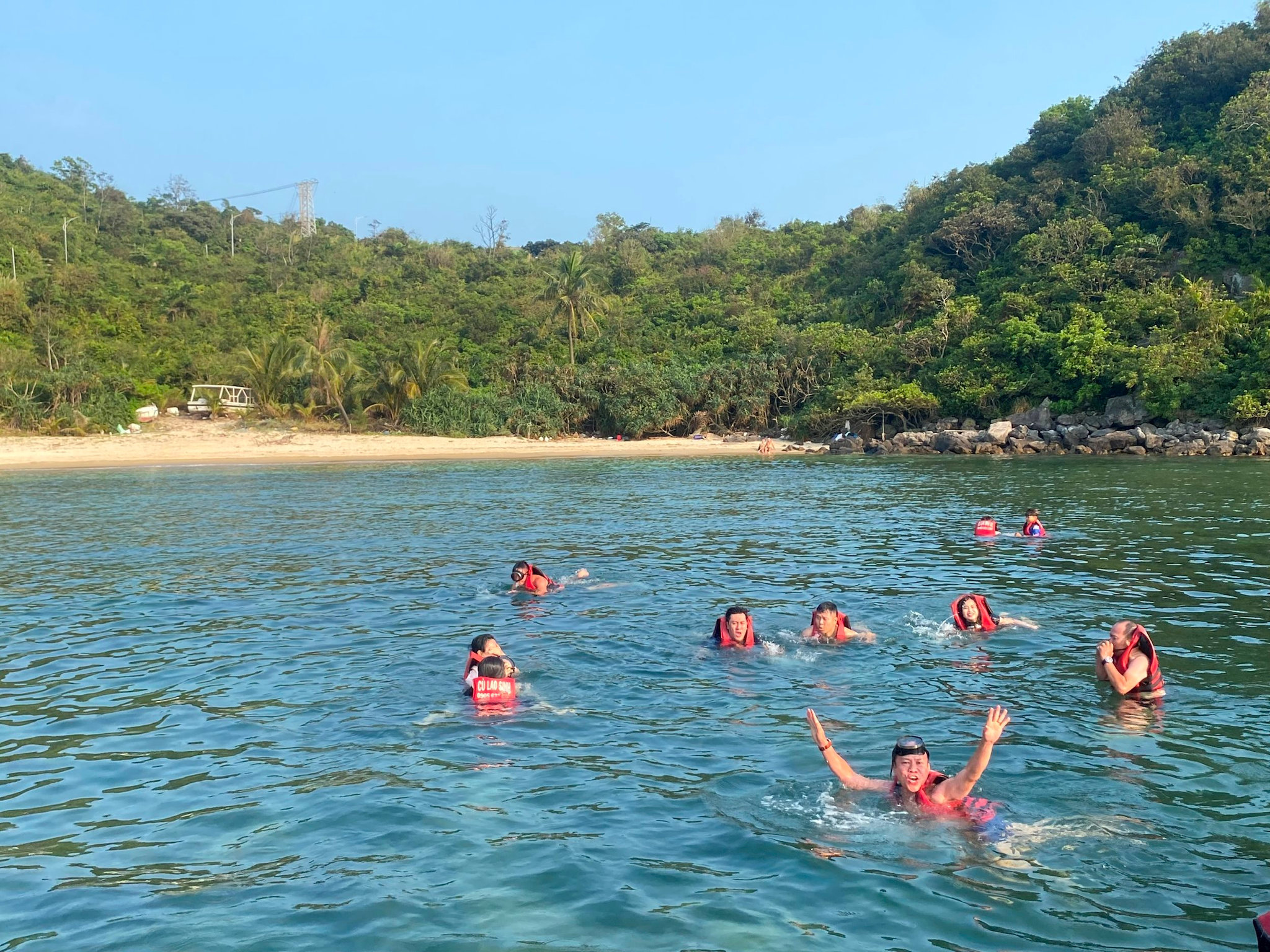
The project will be implemented in Cham Islands, Tan Hiep Commune, as well as at control and ticketing points in Cua Dai. The system will be operated by the Management Board of the Cham Islands Nature Reserve.
The project will run from 2026 to 2027 and focus on building an integrated digital tourism management platform.
The system will support visitor management, ticketing, visitor flow control and destination management, while providing administrative, monitoring and alert functions for tourism authorities.
A key component is the integration and sharing of data with existing digital systems. These include databases on biodiversity, natural resources and the environment at the Cham Islands Nature Reserve, as well as digital systems for monuments and heritage, digital tourism maps and other citywide shared platforms.
The project is also designed to create a more immersive digital experience for visitors. VR360 content will be developed for 19 representative attractions, along with a bird’s-eye virtual tour covering the entire Cham Islands.
The virtual experiences are expected to give visitors a new way to explore the destination before or during their trips. Smart monitoring will form another major part of the project.
Fifteen AI camera systems and data-analysis integration equipment will be installed to monitor visitor density at key locations. The system will support real-time analysis and alerts, helping authorities better manage visitor flows and respond to potential overcrowding.
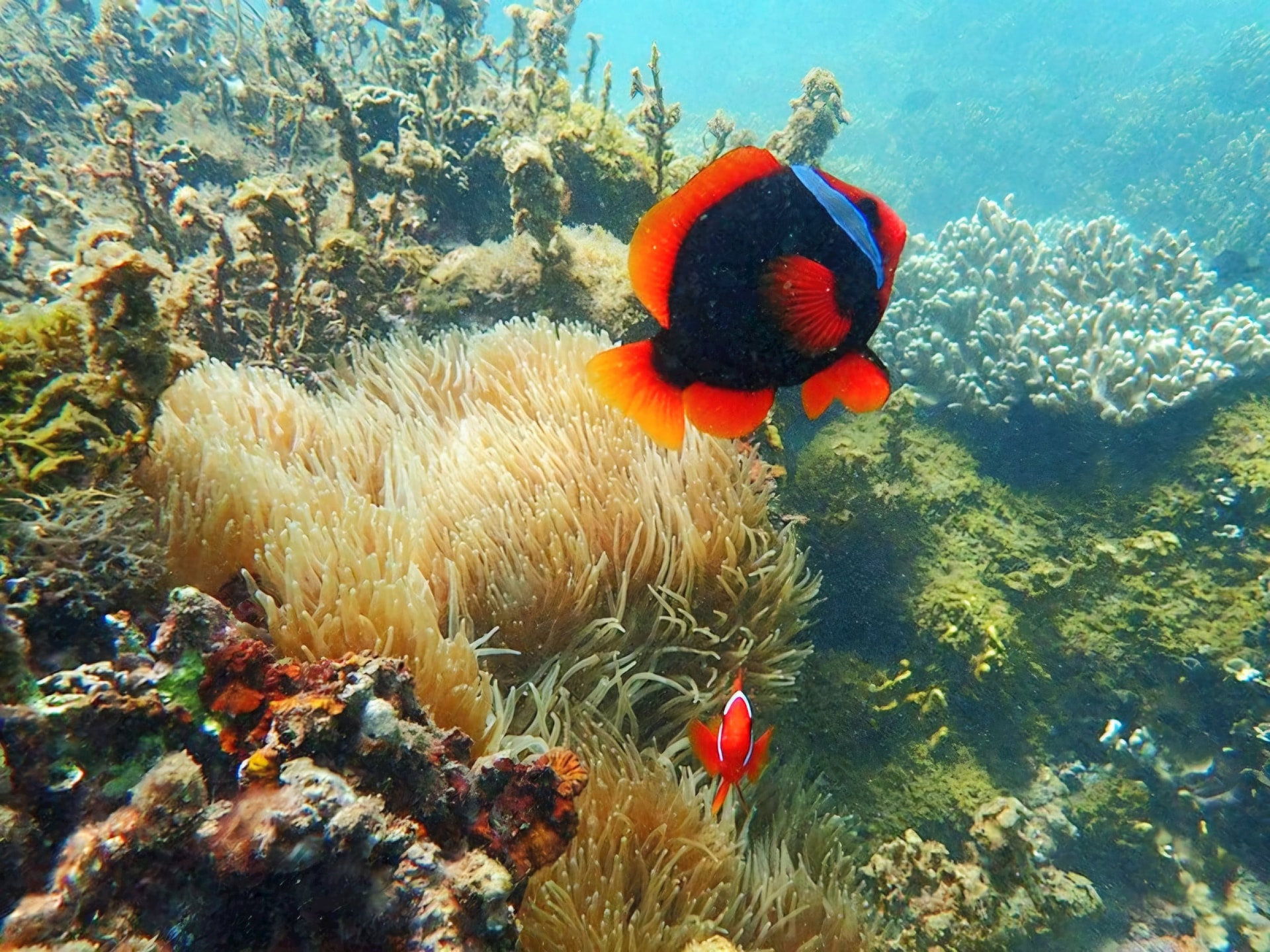
The project will also upgrade digital ticketing and access control. Two barcode printers and four QR-code scanners will be installed and integrated with the automatic gate system currently operating at Cua Dai’s speedboat terminal.
The digital transformation comes as Cham Islands continues to balance tourism development with the protection of its natural environment and biodiversity.
By combining visitor data, digital mapping, virtual experiences and AI-based monitoring, the project is expected to provide a more coordinated approach to destination management.
In addition to enhancing operational efficiency, the initiative could also help build a more sustainable tourism model for the island destination, where managing visitor numbers and protecting sensitive ecosystems are increasingly important alongside attracting tourists.
The project marks a further step in Da Nang’s efforts to apply digital technology to tourism management and create more connected, data-driven experiences at major destinations.
.jpg "Launch of \"One Billion Green Trees\" program on Cham Islands")